No larger than a pack of chewing gum, the prototype developed by EPFL's Integrated Systems Laboratory (LSI) is deceptively simple in appearance. But this little black case with two thin tubes sticking out contains some real miniaturized high-tech wonders. "We embedded biosensors in it to measure several different substances in the blood or blood serum along with an array of electronics to transmit the results in real time to a tablet via Bluetooth," said Sandro Carrara, an LSI scientist.
Capable of being connected to a drainage tube that's already in place, the new system is much less invasive than the many monitoring devices that it's designed to replace. It keeps constant tabs on the blood levels of five substances: metabolites (glucose, lactate and bilirubin) and ions (calcium and potassium), all of which indicate changes in the condition of intensive-care patients.
"Nowadays, several of these levels are measured periodically. But in some cases, any change in level calls for an immediate response, something that is not possible with the existing systems," said Dr. Carrara.
Freeing space around the patient Building on this principle, up to 40 molecules could be monitored in real time. This advance will drastically reduce the number of machines cluttered around patients - an obvious practical advantage for the medical staff, not to mention the psychological boon for loved ones.
The prototype, which was made with a 3D printer, has been successfully tested on rodents. Discussions are now under way for tests to be carried out at the University Hospital of Lausanne (CHUV). And a number of manufacturers have already expressed serious interest in developing this device. "We could hit the market in two to three years," said Dr. Carrara.
This progress towards more precise and effective medicine was achieved under the Nano-Tera initiative, which is financed by the Swiss government. The device was unveiled yesterday in Atlanta at the 2015 BioCAS Conference.
Text: Emmanuel Barraud, Mediacom
Photo: Alain Herzog, EPFL
The X-Sense team at ETHZ has received the best paper award for the paper:
A Testbed for Fine-Grained Tracing of Time Sensitive Behavior in Wireless Sensor Networks, Roman Lim, Balz Maag, Benjamin Dissler, Jan Beutel and Lothar Thiele, at the conference SenseApp 2015, Clearwater, FL, USA, October 2015.
For more information, see https://www.senseapp.org/de/senseapp/senseapp-awards
May 2015
Where health, environment and energy meet
This year the Nano-Tera.ch Annual Plenary Meeting was held in Bern, on top of a hill offering a breath-taking view over the old town and the Alps. Soon after the welcome message given by the Nano-Tera.ch Program Leader, Professor Giovanni de Micheli, participants were invited to listen to presentations given in the different rooms of the convention centre. Visitors had the choice between five main topics subdivided into three different presentations. With fifteen conferences planned in the next hour, a cornelian choice was left to the visitor on which conferences to give precedence. It was possible to learn a lot of things in this short window of time. Among them, that bio-robotic eels are taking care of our environment and that approximate computing will certainly save our cell-phone battery life. One of the presentations of this first session was about care for premature babies. For those who are lucky enough not to have interacted with incubators, premature care is made of interconnected tubes and cables that link the baby to electronic interfaces that are constantly beeping. NewbornCare drastically reduces the amount of attachments for the same vital result. We will come back to these three projects later.
After a short break, people were invited to discover another 20% of the proposed presentations. While speeches in the Smart Energy room were giving an interesting overview of the multiple energy saving possibilities, the UltraSoundToGo project was presented in the Medical Platforms room. Instead of the usual heavy equipment for ultrasonography, this project proposed an ultrasound device connectable on a cell phone and with an excellent resolution and a better frame rate than other state of the art devices.
In the second half of the afternoon PhD students were invited to present their research in order to prepare possible collaborations with industries. Among the most exciting projects was the Ezechiel project on stretchable electronics. Solstice, another interesting project was presenting "solar stickers", or soft photovoltaic surfaces made of GaAs vertical nanowires that allow to create solar panels a thousand times lighter than today's. These stickers could be used for battery charging of a great array of electronic equipment.
After this first approach, the second day of the symposium was holding a lot of surprises. Giovanni de Micheli opened the proceedings by insisting on the fact that 2015 Nano-Tera.ch meeting was dedicated to PhD students. Nano-Tera presently involves 142 PhD students in its program. They are working in fields such as Health Monitoring, Smart Prosthetics, Medical Platforms, Environmental Monitoring and Smart Energy. University graduates are the best means of technology transfer with a great impact on economy and society, he insisted. De Micheli pointed out that in Switzerland there is an innovation gap, called the "Valley of Death", where it is difficult for new and promising projects to find financial resources because of the fact that they sometimes lack expertise and solidity on the market. How could it be different? Nano-Tera wants to bridge that gap by giving more communication opportunities between industries and academics, and already proposed, for example, co-teaching courses by teams involving industrial specialists.
Professor Jan Rabaey from the University of California Berkeley gave the keynote speech "On the Symbiotic Nature of Information Technology and Neuroscience".
Jan Rabaey started by warning the audience that Moore's law was going to reach its end in the next ten years. Until now Moore's law has been astonishingly successful in predicting the doubling of the number of transistors in a dense integrated circuit. This seems to be the end of it, but not a good enough reason to start getting depressed. The main challenge today, according to Jan Rabaey is data processing. How to make sense of massive amounts of data coming from more and more connected objects that are going to invade the electronic world? The answer may reside in mimicking the human brain: "the most powerful computer that is 2 to 3 orders more efficient than today's silicon equivalent". A computational engine that reaches amazing performances with "mediocre" components, according to Jan Rabaey. Building computers on these premises, trying to imitate what our brain is capable of, to classify and index thanks to our associative memory. Tomorrow's computers would need to be able to couple random indexing with associative memory in a four-step process. The sensor part analyses data in a redundant mode and extracts the different features. The in-memory computing part transforms and classifies by associative memory. This random indexing/associative memory allows, for example, the creation of language identification programs with 98% accuracy. Approximate computing seems to become a major and promising resource as the IcySoC project (which stands for : Inexact Sub-Near Threshold Systems For Ultra-Low Power Devices) tends to demonstrate. Many applications, especially with the way we use them, do not need exact computing to give an acceptable result. Thinking about most videos we are watching on the internet or music that we play through our earphones, approximate or inexact mathematics could do the work without anybody noticing a difference, but nevertheless "saving six times the amount of dynamic power used today by reducing the supply voltage from 1.0 V. to 0.4 V."
After a brief presentation on posters where all participants had two minutes to introduce their theme of research to the audience, another round of lectures began with Nano-Tera's three main domains of predilection: health, environment and energy.
Martin Wolf, from the University Hospital Zurich said how glad he was that this year's Nano-Tera event was dedicated to PhD students, they have the energy and the drive to go forward, seeing old problems with new eyes. Yet, Martin Wolf doesn't lack spirit in what he‘s doing, considering the many activities he is involved in. Focusing on the needs of all the human components of the medical chain, he emphasises that the three main groups of interrelated professionals, physicians, administrative regulators and scientists have different needs that are difficult to combine but essential to understand. Among the different on going researches that he presented, a particular example related to Nano-Tera, the "NewbornCare" project, was given as an illustration of the sometimes draining process researchers have to go through when confronted with the complexity of administrative approval. NewbornCare is a remote monitoring of premature babies in incubators through cameras. Today, several tubes and cables are connected to the newborn, causing a large amount of false alert, up to 87.5%, due to the interaction of the baby with the different attachments. This system, instead, captures all the vital data through visual signals only. This project needs to go through the same paperwork as, say, a chemical drug for the treatment of cancer. Martin Wolf almost launches a distress signal: too much paperwork may kill good ideas, or at least, delay the application of discoveries that do not need the same level of security checks before becoming public. It would be good to have a division of risks between invasive and non invasive devices such as cameras that could drastically change the comfort of the patients and the medical staff.
The "environment part" lecture was given by the aptly named, Jan van der Meer, from the Department of Fundamental Microbiology UNIL who is working on sensors and bio-sensors projects, called Envirobot and Bravoo, specialised in the detection of pollutants in lakes, rivers and seas.
Envirobot is a robotic eel composed of seven modules connected together with actuated hinge joints. When put in motion, the anguilliform robot goes wavy in a very natural fashion swimming like an eel. Each of its modules is being packed with an array of physical, chemical or biological sensors that constantly feed a database with information on, for example, water temperature, oxygen, salinity or on the presence of pollutants such as lead, copper or mercury.
One of Envirobot's bio-sensors is composed of a chamber where the alteration of movement of five to six daphnia individuals upon contact to a water sample can be followed. Daphnia, or water fleas, are small crustaceans the size of one to five millimetres, which are very sensitive to chemical variations in the water. Modifications in the frequency of their movement within the chamber are automatically analysed and compared to calibrated non-polluted controls. The advantage of a swimming robot is its ability to move without creating disturbance in the water, which is not the case for a robot with propellers. By adding or removing modules, the robot is reconfigurable for the type of pollutant to study. The final goal of the project is to produce a new Envirobot, which is going to be able to find pollution on its own, on the basis of input given by its sensors. Bravoo is the static version of the robotic eel. It is a buoy packed with all sorts of sensors with a much longer autonomy, since this buoy can stay an entire month collecting data versus only one day for Envirobot. Bravoo creates no disturbance at all and is more suitable for marine water monitoring on extended areas where it is maybe not possible to replace sensors every day.
The Smart Energy part was presented by David Atienza, Professor at the Embedded Systems Laboratory, EPFL, and like Jan Rabaey, David Atienza warns the audience about the end of Moore's law and the enormous quantity of data that will need processing. If in 2013, data collection and processing was evaluated at 4.4 ZB, this number will grow to 44 ZB in 2020.
Today, data centres are essential to society, they are used in all our activities: health, science, services, information, commerce or personal life. Each data centre consists of thousands of computing servers that store and process on our behalf. We are now facing a threshold, performance growth has stopped, we will always need more energy to get higher power density for the same server size. Today, the energy cost is as high as the investment needed into servers on a three-year replacement policy. Power is becoming the most expensive aspect of a data centre.
David Atienza reminds us that brains are the most efficient computing systems, and brains do approximate computing. They are accurate only when it is really necessary and they have optimal power management. "YINS", a Nano-Tera project, is an energy and thermal aware design of future data centre based on energy recovery where all levels or parts of a big data centre would participate in enhancing energy awareness. Better chip design together with inexact arithmetic and smart grid science with a real time monitoring based on local power optimisation can save power on a large scale.
Projects like "SHINE", a new generation of hydrogen production using sunlight, aims at mimicking natural photosynthesis in a next-generation device able to exploit efficiently incoming sunlight in order to direct it into Photo-ElectroChemical (PEC) components designed to split water into hydrogen and oxygen.
The self-tracking solar concentrator intends to reduce the tracking energy needs using an innovative strategy to follow the sun-path across the seasons. It will be able to fully cover the seasonal-tracking requirements. It is constituted by focusing lenses, an optical waveguide, a dichroic membrane and a honeycombed actuator filled with paraffin wax. The natural sunlight crosses two stages of lenses and is focused onto a particular membrane separating visible light and infrared light. The infrared light is then absorbed by the underlying paraffin wax, which melts and expands upwards pushing the membrane towards the waveguide and realizing the actual optical coupling. Therefore, concentrated light is able to be extracted at the waveguide facet. As concentrated sunlight will be directed towards small PEC components, SHINE is focusing efforts towards the fabrication of miniaturised solar water-splitting units that can be incorporated within the concentrator waveguide. The microstructured systems being developed exploit the advantages of microfluidic technologies and use fluid mechanics approaches to improve the water electrolysis processes.
The 2015 Nano-Tera.ch Annual Plenary Meeting ended with the Best Poster and Video Award. First place for the poster award was attributed to the project UltraSoundToGo, headed by Giovanni de Micheli. A project that will allow remote hospitals in developing countries to have access to high quality ultrasound imagery with a device that can be connected to any smartphone. The data would then be sent to a well-equipped hospital for processing in only three minutes.
The film made by the research group "SHINE", on hydrogen production using sunlight, was awarded with the shooting of a professional film to present their work to a larger audience.
This year, Nano-Tera focused on green and renewable energies and warned us about the overwhelming quantity of data that will need processing in the years to come. Seeing the incredible energy and constant flow of ideas that goes around in a gathering like this year's, there is hope that solutions will certainly find their way through the future PhD synapses and finally to the general public.
We are not all equal when it comes to either sickness or medicines treatments prescribed by doctors. Some patients absorb or eliminate active substances quickly, while others do so more slowly. For a treatment to be effective, the amount of medicines prescribed needs to be customised. Too high of a dose can trigger adverse effects, while an insufficient dose will lack efficacy. But how can we know how much of the active ingredient of a medicine circulates in a patient? Aptamers, stars in the detection of medicines The first step consists of identifying the concentration of medicines in the body, which is not easy. At EPFL, researchers in Carlotta Guiducci's Lab - Swiss Up Engineering Chair (CLSE) have developed a rapid and low-cost method to produce DNA fragments called aptamers, which are effective at capturing medicinal drugs in a blood sample. Aptamers represent a promising and underexploited technique in the detection of medicines. They are robust and stable and better suited than antibodies, which are often too large to detect small molecules efficiently. There is one hitch, however: the production of aptamers is currently slow and expensive.
Recently published on the cover of ACS Combinatorial Science, a new method will pave the way towards the easy selection of aptamers that do not yet exist and that could react with new kinds of medicine. "As of today, aptamers are selected by a small number of specialised laboratories, and they only fit for a limited number of target molecules", says Carlotta Guiducci, director of the CLSE.
Here's how it works. The researchers attach DNA fragments to magnetic beads. When the target molecule approaches, the most receptive fragments go off the bead and cling to the molecule. The best fragments are then purified, multiplied and tested again, in order to eventually select the top performer. Only a few cycles of selection were necessary to obtain an aptamer at least as effective as those produced via traditional methods. New approach to drug quantification The researchers did not stop there. Working with the CHUV (the University Hospital of Lausanne), they tested their aptamers using their compact new optical detection method, featured in Analytical Chemistry. For their test, the researchers chose to detect an antibiotic called tobramycin, which is currently used for hospital treatment of some infections.
"We used blood samples of known tobramycin concentration, measured with the reference methods at CHUV. The goal was to check whether our aptamers, combined with this simple and inexpensive sensor, were accurate in measuring the level of the medicine," said Carlotta Guiducci. The sensor, which fits into the palm of the hand, is made up of an LED light, a microfluidic device and a CMOS video camera. Inside the microfluidic channel are gold nanoislands with aptamers attached. When the sample enters the tube, the target molecules cling to the aptamers, which modifies optical properties of the contact surface, making it possible to determine the concentration of the drug in the sample. "The concentration of tobramycin that we determined using our method corresponded to the clinical requirements," says the researcher. "All indications are that this method could also work for many other types of medicines."
Easy way to monitor medicines in the blood By virtue of these joint research projects, the researchers have come up with a fast, inexpensive and compact turnkey technique for detecting medicinal substances in accordance with clinical requirements. In parallel, computer tools to assist in the interpretation of these measurements are being developed.
This will be of interest to doctors, who will be able to easily monitor the amount of medicines in their patients' blood, and to biotech and pharmaceutical companies. Debiopharm International, whose laboratory "Translational Laboratory" is located on the EPFL campus, contributed to this research through a Swiss Commission for Technology and innovation (CTI) project. "The companies would like to characterize active principles quickly and inexpensively during the drug development phases. They want to know how their products are absorbed and eliminated by the body, before bringing them to the market," says Carlotta Guiducci.
Text: Laure-Anne Pessina Source: Mediacom.
April 2015
Past recipients are: Kurt ANTREICH (2003), Hugo DE MAN (2004), Jochen JESS (2005), Robert BRAYTON (2006), Tom WILLIAMS (2007), Ernest KUH (2008), Jan RABAEY (2009), Daniel GAJSKI (2010), Melvin BREUER (2011), Alberto SANGIOVANNI-VINCENTELLI (2012), Peter MARWEDEL (2013) and Rolf ERNST (2014).
Prof. Dr. Lothar Thiele received the Diplom-Ingenieur and Dr.-Ing. degrees in Electrical Engineering from the Technical University of Munich, Germany. After completing his Habilitation thesis from the Institute of Network Theory and Circuit Design of the Technical University Munich, he joined the Information Systems Laboratory at Stanford University, USA. In 1988, he took up the chair of microelectronics at the Faculty of Engineering, University of Saarland, Saarbrucken, Germany. He joined ETH Zurich, Switzerland, in 1994, till today. He received multiple awards and has been elected member of several academies, such as the German Academy of Sciences Leopoldina and the Academia Europaea.
In his research work in the late 80s and early 90s, he investigated the design automation of massively parallel VLSI processor arrays. His focus has continued on design automation, but broadened to embedded software and design optimization techniques for networked embedded systems. In this area, his bio-inspired evolutionary algorithm optimization techniques have been used by scientists and industry around the world and are applicable not only to embedded system optimization, but to discrete multi-objective optimization problems in general. His papers on these techniques, their theoretical analysis in terms of convergence proofs as well as benchmarking problems are having an enormous impact in the field.
As embedded systems are increasingly parallel and distributed, Dr. Thiele has been pioneering the design of predictable computing and communication systems in various respects. He invented an innovative analysis technique named real-time calculus that allows to provide hard bounds on essential quantities like memory, temperature and timing. The underlying concepts have shaped the way how the embedded systems, real-time and embedded software communities look at system design. The fundamental nature of these discoveries become clear in the exploitation of these techniques in the direction of temperature guarantees in multi-core systems, mapping algorithms to multi-processor systems on a chip, mixed-criticality systems for automotive and avionics applications, as well as the design and continuous operation of dependable distributed sensor networks for environmental science and warning systems.
(Text: EDAA / Image: DATE conference)
Prof. Ursula Keller won the 2015 Charles H. Townes Award of The Optical Society (OSA). She is recognized for seminal contributions in the fields of octave-spanning lasers, frequency comb technology, and high repetition-rate ultrafast semiconductor disc lasers.
The award will be presented during the International Year of Light Plenary Session and Society Awards Ceremony on Wednesday, 13. May 2015 18:30-20:30, in the Grand Ballroom, San Jose Conventon Center during CLEO USA 2015.
The semiconductor disk laser has been and was continued to be also supported by the Nano-Tera.ch MIXSEL I and II projects.
This award was established in 1980 to honor Charles Hard Townes, whose pioneering contributions to masers and lasers led to the development of the field of quantum electronics. It is given to an individual or a group of individuals for outstanding experimental or theoretical work, discovery or invention in the field of quantum electronics
January 2015
BRIDGE is a new concept for jointly funding research and pre-competitive innovation in Switzerland in the domain of Engineering Sciences. It proposes to strengthen the translation of publicly-funded research results into pre-competitive innovation. To do so, it plans to better connect academic and industrial players through ambitious research projects, thus creating suitable platforms for collaborative knowledge and technology transfer based on cross-exposure and inter-connection of personnel, with a special focus on junior researchers/engineers. The domain of Engineering Sciences has shown to be a very fertile ground for the successful translation of research into products on a world-wide scale.
The goals of BRIDGE will be achieved by creating a new funding instrument that:
i) Integrates a granting mechanism addressing both research and innovation deliverables; ii) Introduces a continuous interaction between researchers and industrial players to leverage the influence of both research achievements on new product ideas and of market needs on research directions; iii) Relies on a new dual evaluation mechanism involving both scientific and economic dimensions.
BRIDGE is intrinsically positioned at the frontier between research and innovation, and its launch and operation will require a concerted effort of institutional players (SERI, SNSF and CTI), as well as a consortium involving the Polytechnics, the Cantonal Universities, the Universities of Applied Sciences and Swiss Research/Innovation Centers (e.g., CSEM, EMPA, etc.). Representatives of the Swiss economy will also be integrated through an Industrial Advisory Board.
While the long-term objective of BRIDGE is the set up of a broad funding instrument, the proposal for the budget cycle 2017-2020 will focus on Engineering Sciences and leverage the scientific community built within the Nano-Tera.ch program funded by the SERI from 2008 to 2016. In particular, further strengthening the link between an active research community and the Swiss industry will contribute to turn successful research outputs into a strong stimulus for the economy. Furthermore BRIDGE will also benefit from the outputs of the precoR initiative launched in 2014 by SNSF to fund pre-competitive innovation.
The BRIDGE proposal targets a funding of 80 MCHF in the form of a specific Federal budget under the responsibility of the SERI for the period 2017-2020.
New therapies are on the horizon for individuals paralyzed following spinal cord injury. The e-Dura implant developed in the Nano-Tera project SpineRepair can be applied directly to the spinal cord without causing damage and inflammation. The device is described in an article appearing online January 8, 2015, in Science magazine.
EPFL scientists have managed to get rats walking on their own again using a combination of electrical and chemical stimulation. But applying this method to humans would require multifunctional implants that could be installed for long periods of time on the spinal cord without causing any tissue damage. This is precisely what the teams of professors Stéphanie Lacour and Grégoire Courtine have developed. Their e-Dura implant is designed specifically for implantation on the surface of the brain or spinal cord. The small device closely imitates the mechanical properties of living tissue, and can simultaneously deliver electric impulses and pharmacological substances. The risks of rejection and/or damage to the spinal cord have been drastically reduced. An article about the implant will appear in early January in Science Magazine.
So-called "surface implants" have reached a roadblock; they cannot be applied long term to the spinal cord or brain, beneath the nervous system's protective envelope, otherwise known as the "dura mater," because when nerve tissues move or stretch, they rub against these rigid devices. After a while, this repeated friction causes inflammation, scar tissue buildup, and rejection. An easy-does-it implant Flexible and stretchy, the implant developed at EPFL is placed beneath the dura mater, directly onto the spinal cord. Its elasticity and its potential for deformation are almost identical to the living tissue surrounding it. This reduces friction and inflammation to a minimum. When implanted into rats, the e-Dura prototype caused neither damage nor rejection, even after two months. More rigid traditional implants would have caused significant nerve tissue damage during this period of time.
"Our e-Dura implant can remain for a long period of time on the spinal cord or the cortex, precisely because it has the same mechanical properties as the dura mater itself. This opens up new therapeutic possibilities for patients suffering from neurological trauma or disorders, particularly individuals who have become paralyzed following spinal cord injury," explains Lacour, co-author of the paper, and holder of EPFL's Bertarelli Chair in Neuroprosthetic Technology.
Flexibility of tissue, efficiency of electronics Developing the e-Dura implant was quite a feat of engineering. As flexible and stretchable as living tissue, it nonetheless includes electronic elements that stimulate the spinal cord at the point of injury. The silicon substrate is covered with cracked gold electric conducting tracks that can be pulled and stretched. The electrodes are made of an innovative composite of silicon and platinum microbeads. They can be deformed in any direction, while still ensuring optimal electrical conductivity. Finally, a fluidic microchannel enables the delivery of pharmacological substances - neurotransmitters in this case - that will reanimate the nerve cells beneath the injured tissue.
The implant can also be used to monitor electrical impulses from the brain in real time. When they did this, the scientists were able to extract with precision the animal's motor intention before it was translated into movement.
"It's the first neuronal surface implant designed from the start for long-term application. In order to build it, we had to combine expertise from a considerable number of areas," explains Courtine, co-author and holder of EPFL's IRP Chair in Spinal Cord Repair. "These include materials science, electronics, neuroscience, medicine, and algorithm programming. I don't think there are many places in the world where one finds the level of interdisciplinary cooperation that exists in our Center for Neuroprosthetics."
For the time being, the e-Dura implant has been primarily tested in cases of spinal cord injury in paralyzed rats. But the potential for applying these surface implants is huge - for example in epilepsy, Parkinson's disease and pain management. The scientists are planning to move towards clinical trials in humans, and to develop their prototype in preparation for commercialization.
Text: Mediacom
A long standing obstacle to the acceptance of acupuncture in conventional medicine lies in the lack of scientific evidence of the physical and molecular mechanisms acting behind this therapy. The Nano-Tera project i-Needle, led by Sandro Carrara of EPFL, has investigated this issue, using a combination of clinical and biomolecular data, as well as an innovative tool, the intelligent needle, to acquire new data. These efforts have been featured in Science magazine.
The project i-Needle is one of the joint Sino-Swiss projects which was selected as part of an initiative aiming at creating synergies to encourage Swiss-Chinese research collaborations within Nano-Tera.ch thematic areas.
On 22 November, PhD and Masters students presented two Nano-Tera projects at the IC open house. The BC building at EPFL was buzzing with families, startup CEOs, curious individuals and various regional economic actors. Nano-Tera was there to ask participants what they thought of the OpenSense and SmartGrid projects on display.
David Guhl: Startup Engineer
I graduated from EPFL in 1984, but I’m still working here in Innovation Park. My company, AVK systems, develops HD audio for sports events.
I think it’s very important that programs like OpenSense exist to be able to have real-time reading of pollution in cities to help authorities make informed decisions. It could also be great for joggers who’d like to know which parts of the city to avoid when running.
It’s also important, in general, to do this kind of applied research. It’s good for the community to work on products that don’t necessarily have a commercial goal in mind. I know how hard it can be to bridge the gap between research and industry. It’s a question of financing; I see it with my startup. The politics are evolving; EPFL and NanoTera are coming closer to business. It’s better, but there’s still a lot of work to do.
Claudia Richter: Communications at International Federation of Red Cross and Red Crescent
The OpenSense project is especially interesting for fine particles in the air. It’s a real health issue. Measuring this data is very important for everybody. By putting these sensors on moving vehicles we certainty have a better view of pollution and fine particles throughout the city. I can’t wait to see maps like this in every city in Switzerland.
Patricia Rohler and Emmanuel Reuter: Interested public
Mrs. Rohler: We’re from the Canton of Fribourg, near Bulle, and have children in schools similar to EPFL. We were curious to see what’s happening here. I think about pollution a lot, but I feel there’s not much I can do besides buying an electric car. There’s a lot of talk, but not much is being done. It’s very positive that Nano-Tera is addressing this issue.
Mr. Reuter: I’m in the automotive business. The OpenSense project is very important for my sector. Air quality needs to be addressed. You know, it’s always difficult to get people to change. So maybe a program like this can increase awareness about pollution in a city. It might get people to buy more electric cars.
Mrs. Rohler: I hadn’t heard of Nano-Tera before today, but it’s interesting that OpenSense works with the CHUV for the health effects of pollution. It’s great that there are studies that regroup several domains. It’s interesting that depending on where we live and which public transportation we take, there is more or less pollution, which has a big impact on health.
And SmartGrid is a fantastic project, a great step forward. I didn’t know about PV electricity management, that it was so complicated. It’s very interesting that Nano-Tera is doing something about it. It makes me think again about putting PV on our chalet.
Robert Vankommer with his twin daughters, Margot and Tess
Twins: We saw the OpenSense project — it’s exciting that it combines computer science, health and the environment. It’s interesting that they’re able to combine these ideas into one project. We can do so many amazing things with computers today. We’re only 16, but we’re already thinking about our studies. When we see projects like this, it makes us consider studying at EPFL. We are very interested in health. We live in the country and can tell the difference in the air. It’d be great to have an application on our phones to tell us where the pollution is.
Dacfey Dzung: Engineer in the energy sector
I work with ABB in Switzerland, and have some contact with EPFL. I work in communication for industrial communications for smart grids, and SmartGrid is interesting from that perspective.
This is a local view of things, while our company is working on a global view, but managing one building’s energy is a good case study. Everybody talks about doing it, but these researchers are actually doing it. And this will definitely contribute to industry. The PhD students building these tools are getting great experience and an understanding of what the real interests for industry are.
Patrick Barbey: Director of Innovaud
NanoTera is very innovative and has already created some startups. At Innovaud we are interested in collaborating with students interested in building startups from these programs.
It’s really a competence center for the Vaud Canton. Health is very important here. This is a good example of Digital Health, where big data is an enormous opportunity for launching competitive startups. In Switzerland, privacy, hospitals and computer science are main services, if we can build a model that joins all three, we’ve got a very competitive startup.
Zhivka Gucevska: EPFL Masters Student in Computer Science, presenting the SmartGrid Project
As a Masters student in computer science, the SmartGrid project is really interesting to present to people in the general public. It’s a collaborative project, so as a student it’s difficult to know all of the parameters. But it’s a very useful project and I enjoy explaining it. The demonstration has drawn a lot of attention. I like seeing the spark in people’s eyes when they understand that we need a system like this to manage renewable energy like wind farms and solar panels.
Chaired by Prof. Giovanni De Micheli, Director of the Institute of Electrical Engineering at EPFL, the Symposium on Emerging Trends in Electronics has brought to Montreux about 100 renowned scientists and business leaders and addressed the means to grow the European economy by creating new jobs and products enabled by advances in electronics.
The symposium featured presentations in technology applications, ranging from A. Chandrakasan (MIT) who addressed miniaturized circuit design, to T. Sakurai (U. Tokyo) who described flexible electronic circuits to achieve electronic skin, and K. Shepard (Columbia niversity) who demonstrated electrical circuits applicable to sensors and DNA sequencers. S. Furber (U. Manchester) explained progress in neuromorphic energy sustainable high-performance computing with the Spinnaker chip, while G. Fettweis (U. Dresden) showed how 5G communication technology will improve our living standards, from automatic driving to the connected smart city.
Representatives from the European Industry presented the latest semiconductor processes for high-performance, low-power applications and the Internet of Things. Academic and industry leaders discussed the advantages and limitations of the American and European models for design and product creation.
The symposium featured several round tables, including one panel of University Presidents, Rectors and VPs/VRs addressing how electronic means influence education (e.g., through MOOCs) and how education should address more emerging technologies. Emphasis was placed on students and the universities’ task to forge thinking skills, while educating the best scientists, engineers and managers for a rapidly evolving world.
Sponsored by the Swiss Federal research program Nano-Tera.ch, this event featured excellent presentations and discussions that are available on the Nano-Tera.ch web portal in the form of a virtual meeting.
15.10.14 - Biorobotics’ aim is to design more efficient robots based on locomotion solutions developed by the animal world. In such a way, it provides new research tools for biologists. Prof. Auke Ijspeert, specialist in the field, shares his thoughts on the evolution of this expanding field.
Whether flyers, swimmers, walkers or crawlers, animal species have developed a wide range of solutions to move efficiently in their environment. For biorobotics specialists, these models constitute a source of inspiration for designing robots able to evolve on all sorts of terrains. Auke Ijspeert, professor at EPFL’s Biorobotics laboratory, has just published an article in Science magazine in which he reviews this growing field.
- Why has biorobotics developed so strongly during recent years?
"Firstly, because technology itself has improved dramatically. 3D printing techniques allow for a quick construction of complex parts, embedded computing capacity is increasing every year; batteries have become more compact and easy to use. This trend also responds to developments in the field of biology that provide new ways to study in detail the characteristics of animal motion, such as X-ray films to observe the movements of bones in real time or force sensors to measure the different forces of interaction with the ground.
- In addition to making toys, what’s its use?
Biorobotics is much more than that. It is inspired by the animal world to go further than traditional wheeled-, propeller- or caterpillar- based robots, and find new ways to move such machines. Clearly, nature has worked in our favor. An animal cannot survive long if it doesn’t move in a suitable way. Evolution has developed a range of locomotion modes extremely well suited to grounds that sometimes can be very difficult to get through. Making robots capable of moving in unstructured environments - bumps, rocks, mud, gravel, sand or water - is a real challenge. The animal world offers us a think tank to find solutions.
- If robotics makes the most of biology, is the opposite also true?
Biologists are increasingly using robots as scientific tools. By including real physics to researchers - as opposed as simulated physics of numerical simulations - these biorobots offer a clear advantage for testing certain hypotheses. For example, the study of a swimming fish requires the consideration of a large number of criteria: morphology of the animal, movement, speed and direction, force exerted by each muscle, but also interaction with the environment, resistance of the water, etc. These are all very complex problems that add up and influence each other. Robots allow scientists to observe such data live, and thus ensure the inclusion of all elements that come into play. And there is another important advantage: we can carry out operations with a robot that are impossible with a real animal, such as equipping it with multiple sensors for calculating its internal forces, repeating experiments as often as necessary or changing their morphology. Doubling the length of a leg, for example, will help us understand the influence of a particular bone on the efficiency of locomotion. Which of course cannot be done on a living being...
Salamander robot. Credit: BIOROB
- What is the future of this field? Where is it going to, in your opinion?
The contribution of biorobotics to biology is a rapidly evolving field, and there are many possible studies to come. Biorobots will also have increasingly varied applications, whether in environmental monitoring, agriculture, search-and-rescue to victims of disasters, or exploration of high risk areas too dangerous for humans or dogs. By the way, this is one of the fields of robotics that we tackle in Switzerland within the NCCR in Robotics.
- Walking, swimming, flying, crawling, which is the most interesting?
Each is interesting. Take swimming, for example. Observing the efficiency of fish in their environment allows finding alternatives to propeller-based swimming. Thus, we can create more powerful and autonomous robots and even improve the principles of navigation and ship design. Legged robots are particularly suitable in the presence of a non-structured soil, as they make discrete contacts with the ground, unlike wheeled robots requiring continuous contact. As for flying, fixed-wing - like planes - or rotating-wing - like helicopters - models remain the most effective and simple to build for bigger robots. A flapping-wing system is more adequate in the case of smaller ones. Fluid dynamics determines that, for an insect, to move in the air is the same as if we were moving in oil. In this case, a propeller is less effective than an oscillatory motion like insects and birds.
Credit: Harvard Microrobotics Lab
- What about our human way of walking?
The humanoid model is well suited for moving among humans, where it must climb stairs, use tools, etc. If it were to move outside, other means such as quadruped walking would be better. It is interesting to note that, in the case of humans, biorobotics has also served biology by demonstrating that mechanics, and not just the brain, solves some of the control problems. Experiments have shown that some humanoid robots, called passive walkers, managed to go down a slope without a motor, nor batteries and without falling. Similarly to the human morphology, they produce a pendulum effect that provides the necessary energy and stability. So we can see that there is a kind body intelligence, which, if we understand it, would allow us to invent a more effective and fluid locomotion that would require less energy.
- What are the biggest challenges for a biorobotics specialist?
Firstly, designing such robots requires big teams and a range of expertise in mechanical engineering, computer science, electronics and mathematics. Next, understand the movement of a living being is difficult, because locomotion is the result of the interaction of many components, some of which are very difficult to reproduce. For instance, replicating the viscoelastic properties of an arm is very complicated at the mechanical level. And all the technologies that would allow us to achieve this have not yet been accomplished, particularly in terms of skin substitutes or actuators, which are still struggling to replicate muscles faithfully. These, however, are elements that play an important role in locomotion.
Cheetah cub robot. Credit: BIOROB
- Is a movement that seems trite and simple to us actually a complex operation?
The more I work in robotics, the more I realize how every living creature is constantly solving extremely complicated control problems. As they are done intuitively, we tend to underestimate the meaning of these gestures. To try to incorporate into a robot all identified components is an interesting exercise. We often realize that what we had thought to have understood on paper does not work in practice. We usually lack certain data or understanding of certain mechanisms. They are usually subtle interactions that have not been decrypted yet, but which are essential for interacting with the environment."
Text: Sarah Perrin, Mediacom
August 2014
Congratulations to the SelfSys team who has obtained results published on the cover of Nanoscale! The EPFL-ETHZ collaboration presents the fabrication and characterization of large arrays of inkjet-printed superparamagnetic polymer composite hemispherical microstructures.
The overall purpose of the SelfSys project, led by Prof. Jürgen Brugger of EPFL, was to develop a completely new manufacturing method based on liquid-mediated self-assembly of smart MEMS parts that are liquid filled and that can release this liquid upon a trigger signal in a self-powered fashion.
June 2014
In the context of Nano-Tera's international exchange program, we welcomed Prof. Massimiliano Di Ventra, Professor at the Department of Physics at the University of California in San Diego.
Prof. Di Ventra's research interests are in the theory of electronic and transport properties of nanoscale systems, non-equilibrium statistical mechanics, DNA sequencing/polymer dynamics in nanopores, and memory effects in nanostructures for applications in unconventional computing and biophysics. He serves on the editorial board of several scientific journals and has won numerous awards and honors, including the NSF Early CAREER Award, the Ralph E. Powe Junior Faculty Enhancement Award, fellowship in the Institute of Physics and the American Physical Society. He has published more than 140 papers in refereed journals (13 of these are listed as ISI Essential Science Indicators highly-cited papers of the period 2003-2013), co-edited the textbook Introduction to Nanoscale Science and Technology (Springer, 2004) for undergraduate students, and he is single author of the graduate-level textbook Electrical Transport in Nanoscale Systems (Cambridge University Press, 2008).
He took part in the Nano-Tera Annual Meeting by delivering his keynote speech on "Memcomputing: a brain-inspired computing paradigm to store and process information on the same physical platform", and visited several professors in Lausanne and Zurich during his stay.
In the video below, he shares his vision of future directions of research and of the Nano-Tera program.
May 2014
The Nano-Tera Annual Meeting 2014 took place at the brand new Swiss Tech Convention Center at EPFL and was a large success, with the largest audience of any year: 350 participants. It showcased more than 140 posters and 10 videos. In addition, 7 projects have featured demonstrations and early prototypes.
Among the program highlights, Prof. Massimiliano Di Ventra of the University of California San Diego, presented a novel computing paradigm named memcomputing inspired by the operation of our own brain.
In the afternoon, Prof. Alessandro Cremonesi, VP at STMicroelectronics, shared his vision of future perspectives for the semiconductor industry, in 2020 and beyond.
This year, 5 thematic panel discussions gave the 25 project leaders the opportunity to present the key challenges in their field and discuss them with their colleagues and the audience.
Best poster awards
A best poster competition was once again organized. All posters presented were evaluated by a jury that ranked their scientific excellence and their ability to present the results in a way that can be understood and appreciated outside their specific research community.
The jury was composed of Dr. Iuliana Bacivarov (ETHZ), Dr. Alena Simalatsar (EPFL) and Dr. Cristina Boero (EPFL), pictured.
1st place: GECN: Primary Voltage Control for Active Distribution Networks via Real-Time Demand-Response - SmartGrid Konstantina Christakou, Dan-Cristian Tomozei, Jean-Yves Le Boudec, Mario Paolone (EPFL)
2nd place: Hardware/Software Optimizations for Efficient Embedded Digital Signal Processing in Wireless Body Sensor Nodes - ObeSense Rubén Braojos, Giovanni Ansaloni, David Atienza (EPFL)
3rd place: Ultrafast vertical external cavity surface-emitting laser (VECSEL) - MIXSEL II A.S. Mayer, M. Mangold, C.A. Zaugg, S.M. Link, M. Golling, B.W. Tilma, U. Keller (ETHZ)
A positive feedback from participants
Half of all participants provided us with their feedback by replying to an evaluation survey following the meeting. Among the respondents, a combined 89% rated the organization of the meeting as either good or very good (see results below). Moreover, 68% of respondents rated their interest for the invited talks favorably, and 8% unfavorably. Finally, the meeting was deemed useful as a support for networking withing the Nano-Tera community by 77% of respondents.
The special satellite event for PhD students which was organized the evening before the main meeting also garnered positive feedback from students, 70 of whom completed the evaluation survey (out of about 100 participants). In particular, the participants have been overwhelmingly in favor of Nano-Tera organizing a similar event in the coming years: 78% in favor vs. 7% against.
Virtual Annual Meeting 2014
You missed the meeting or want to have more details on a presentation or a poster you saw at the meeting? All the videos of the presentations and the slides are now available on our Virtual Edition.
All posters can also be viewed on their corresponding project page.
See you next year!
The 2015 edition of the Nano-Tera annual meeting will take place on Tuesday, May 5th, 2015 at the Allegro Grand Casino Kursaal in Bern (add to calendar). Monday, May 4th, will be devoted to activities for PhD students (add to calendar).
The prototype built by the project IrSens has been presented at the innovation village of SPIE Photonics Europe 2014 in Brussels. Markus Mangold of Empa won the first runner-up prize in the category "best innovation" for the prototype entitled "Portable mid-IR trace gas sensor for mobile applications".
Developed as a way to support and publicize research teams from universities, non-profit institutions and research centers who are working on research, new applications and product development, the Photonics Innovation Village brought together seven multi-lateral projects and six individual projects to showcase Europe's (and the world's) finest research programs and to encourage the transfer of optics and photonics research and technology into new and useful products.
By taking part in the competition, innovative researchers were able to showcase their latest research to industry innovators and other photonics visionaries.
The IrSens prototype is a truly portable MIR spectrometer based on direct absorption laser spectroscopy. Miniaturization-driven development of each building block and careful consideration of the power dissipation led to a high-sensitivity trace gas sensor with a footprint no larger than an A3 sheet of paper. The sensor is packaged to withstand weather conditions and is fully field deployable. The small footprint and ruggedized construction make it highly suitable for a variety of industrial, medical, and environmental applications.
April 2014
Taking technology from the labs into our daily lives
The purpose of the meeting is not only to present scientific issues investigated in the projects, but also to provide some perspectives regarding their potential applications. In order words, the WHY will be just as important as the WHAT and the HOW.
The meeting features two keynote speeches by prominent speakers as well as thematic panel discussions with Nano-Tera.ch principal investigators, each focusing on a general area of interest in Nano-Tera.ch.
The task was to develop intelligent prosthetic joints that, via sensors, are capable of detecting early failure long before a patient suffers. EPFL researchers have taken up the challenge.
Today, nearly 4 million people worldwide must suffer through operations to replace defective joints. In the coming years, the number of procedures on knees will multiply by 7. EPFL researchers have developed sensors, integrated into the polyethylene part of the prosthesis, that can perform a diagnosis of the interior, improving medical treatment and thereby helping patients, in some cases, avoid a new operation.
There are three leading causes of this surgical boom: the development of recreational sports that particularly affect the knee and eventually cause osteoarthritis, obesity – a sport in itself for the joint that must bear the excess weight, and lesions that are present in cartilage. Once the arthroplasty has been performed, the prosthesis set, and the operating field closed, the biggest problem for the doctor is that the only feedback is the patient’s qualitative and subjective assessment. If the prosthesis is misaligned or if it unseals, which occurs in about 20% of cases, this causes significant pain, and it is very difficult to quantify.
Arash Arami of the Laboratory of Movement Analysis and Measurement (LMAM) devoted part of his thesis to the question of unsealing in the prosthesis. He chose the knee because it is a complex joint that is often injured. With an algorithm he developed, he could precisely calculate the micromovements of the prosthesis and detect, via vibration, any loosening. Then, using sensors implanted in a prosthesis mounted on a mechanical knee simulator, he could demonstrate how it reacts to applied forces.
Brigitte Jolles-Haeberli, head of prosthetic knee surgery at the University Hospital of Lausanne and EPFL’s Interinstitutional Center of Translational Biomechanics, collaborated closely on this project. “Even when a prosthesis has been properly installed, some people experience persistent pain. One is at a loss for how to concretely help without resorting to painkillers or physiotherapy.” Even if it is possible to see the problems of sealing or alignment – through an x-ray coupled with a bone scan – doctors still have no way to detect the cause. “With this new information about the prosthesis, we could take preventative measures and explore other avenues of gait rehabilitation without necessarily having to resort to a new surgery.”
Five EPFL laboratories have joined in a project funded by Nano-Tera. To help the industry integrate new tools into smart prostheses, the scientists decided to put these sensors in the middle part, which is the polyethylene insert. This material is common to all knee prostheses, regardless of manufacturer.
“It makes sense that all these inserts have more or less the same shape and therefore the same volume, and if we can instrumentalize it without touching the femoral or tibial part, it will be easier for the industry to implement. But this will not happen immediately, because we must first show how these sensors represent a real benefit for both patients as well as doctors and the industry,” concluded Kamiar Aminian who directs the LMAM.
A first French-speaking event was held in Yverdon on March 12th with the presentations of 6 projects in front of a large audience of about 80 participants. These were followed by an exciting discussion regarding the possibilities to deepen industrial involvement in the new phase of the program.
Pictures of the event as well as the presentations are available here:
A similar event in German took place in Zurich on March 25th. Pictures of the event and the presentations are available here:
January 2014
Solar Impulse pilot Bertrand Piccard put his mental and physiological limits to the test during a 72 hour simulated flight across the Atlantic Ocean which ended today. EPFL scientists monitored his mental states and cardiac rhythm throughout the flight.
Pilot and psychiatrist Bertrand Piccard just "landed" after 72 hours of simulated flight across the Atlantic Ocean in Solar Impulse, a solar airplane which is equipped with advanced renewable technology. This second virtual flight, which started Tuesday morning and took place at the military base in Dübendorf, Switzerland, was the chance for Piccard to test his mental and physiological boundaries during strenuous flight conditions. EPFL technology monitored his mental states and cardiac rhythm throughout the flight, both in real-time and for post-flight data analysis.
In a collaboration between EPFL, Hirslanden and the Lausanne University Hospital (CHUV), twenty-seven electrodes placed on Piccard's head measured the electrical activity of his brain, also known as electroencephalogram (EEG). Mental states like sleep, fatigue and thinking can be detected in the fluctuations of these electrical signals. This information will be compared with a series of vigilance tests that were done during the 72 hour flight to evaluate Piccard's alertness and his ability to perform tasks.
EPFL scientists also measured the electrical activity of the pilot's heart, also known as an electrocardiogram (ECG). The obvious reason is to detect an unusual heartbeat, or a cardiac arrest. But cardiac rhythms also contain information about mental alertness.
“We are developing smart technology that can evaluate mental states in real-time by monitoring the heart alone,” explains EPFL scientist Francisco Rincon at the Embedded Systems Laboratory. “The 72 hours of data collected here – from the heart, the brain activity and the vigilance tests – will be helpful for developing this technology.”
The flight simulator took Solar Impulse on one possible trajectory across the Atlantic Ocean, from Norfolk (US) to Almeria (ES), although it did not simulate all of the possible conditions one would experience in Solar Impulse's cockpit. "Atmospheric pressure and temperature changes were not incorporated into the simulation at this stage, although both have an impact on human physiology," explains Solar Impulse pilot André Borschberg, "not to mention the excitement of really flying Solar Impulse."
The latest Nano-Tera.ch call for proposals has led to the selection of 7 new large Research, Technology & Development projects. These new projects, which will last 3 years, involve a total of 47 partners from 14 Swiss institutions and the Nano-Tera funds awarded to these 7 projects amount to almost 10 million CHF. The institutions involved include the ETH Zurich, the EPF Lausanne, EMPA and the universities of Basel and Zurich. The hospital partners are also well represented, with the university hospital of Vaud (CHUV), Basel (USB) and Zurich (USZ). Other institutions include the CSEM, Credit Suisse, BrainServe SA, Eaton Manufacturing GmbH, EM Microelectronics Marin and the Institute for Work and Health.
The new projects are the following:
Prof. David Atienza (EPFL): "Energy and thermal-aware design of many-core heterogeneous dataCenters"
Prof. Christophe Ballif (EPFL): "Systems for ultra-high performance photovoltaic energy harvesting"
Prof. Alcherio Martinoli (EPFL): "Crowdsourcing high-resolution air quality sensing"
Prof. Ernst Meyer (Uni Basel): "Rapid sensing of cancer"
Prof. Bradley Nelson (ETHZ): "Fabrication of fluorescence sensors integrated into a textile dressing for non-invasive lifetime based wound monitoring"
Prof. Christian Piguet (CSEM): "Inexact Sub-Near-threshold System for Ultra-Low Power Devices"
Prof. Pierre Vandergheynst (EPFL): "Newborn Monitoring based on multiple vision sensors"
These ambitious new projects will run alongside the 18 large projects already selected for the second phase of Nano-Tera.ch. Together, these 25 projects have a global budget of over 120 million CHF.
October 2013
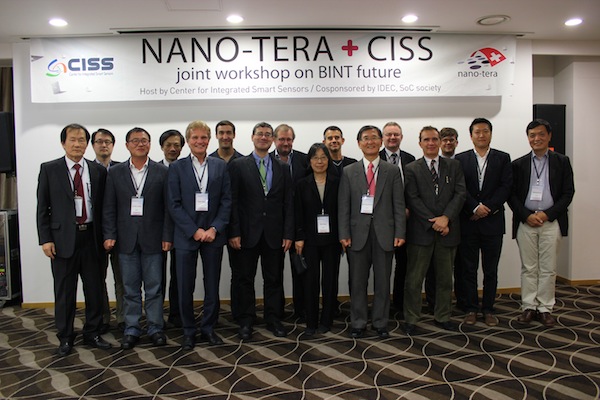
Following the Swiss-Korean workshop which took place at EPFL earlier this year, Nano-Tera participated in a joint workshop hosted by the Center fo Integrated Smart Sensors (CISS) at the Korea Advanced Institute of Science and Technology (KAIST).
The invited Nano-Tera delegation consisted of Prof. Giovanni De Micheli (Nano-Tera Program Leader), Dr. Martin Rajman (Nano-Tera Executive Director), Prof. Karl Aberer, Prof. David Atienza, Prof. Yusuf Leblebici and Prof. Peter Ryser of EPFL, as well as Prof. Luca Benini and Prof. Qiuting Huang of ETHZ.
The Swiss researchers and their Korean counterparts (including Prof. Byeong Guk Park of SNU, Prof. Hoi-Jun Yoo of KAIST) delivered presentations on topics such as smart healthcare, biosensing or sensing architectures.
The workshop was a good opportunity to strengthen partnership between Nano-Tera.ch and CISS and hold comprehensive discussions on the future of next generation smart sensors, including advanced implantable biosensors, mobile sensor networks and low-power sensors for applications such as ECG monitoring.
Gallery
Nano-Tera.ch has welcomed two prominent international researchers to make a series of talks in various institutions involved in Nano-Tera. This was organized in the context of the nascent Nano-Tera international exchange program.
Prof. Krishna Palem (Rice University), who is widely recognized for his pioneering contributions to the foundations of embedded computing, interacted with several Nano-Tera scientists for a stimulating exchange ideas and perspectives.
Prof. Rahul Sarpeshkar, who heads the research group on Analog Circuits and Biological Systems at MIT, presented his central contributions in the area of ultra energy efficient systems in biology, engineering and medicine.
Prof. Krishna Palemis a professor of Computing at Rice University where is the director and founder of the NTU-Rice Institute on Sustainable and Applied Infodynamics (ISAID) with appointments in Computer Science and in Electrical and Computer Engineering.
Palem has been a leader in the area of Embedded Systems research, having founded one of the earliest laboratories for research in academia dedicated to this field in 1994, the Real-time Compilation Technologies and Instruction Level Parallelism (ReaCT-ILP) laboratory at the Courant Institute of Mathematical Sciences, NYU. This laboratory had significant impact within the context of enabling compilers in optimizing the design and eventual deployment of embedded systems. The work pursued there led to the widely-used TRIMARAN system. The efforts of the ReaCT-ILP laboratory were recognized with awards for excellence from Hewlett-Packard, IBM and Panasonic.
A significant thrust of the research done at the ReaCT-ILP laboratory was aimed at the convenient and fast use of reconfigurable hardware by software (application) developers - traditionally the purview of application designers with significant hardware design experience. A highlight of the research accomplishments along this dimension is the award-winning dissertation of his Ph.D. advisee Suren Ta lla. As part of this research, Palem laid the foundations of architecture assembly which is at the heart of the product offerings of Proceler, Inc - the Atlanta based venture funded company that he co-founded in 2000. The prestigious Analysts' Choice Awards recognized Proceler's technology, by nominating it as one of the outstanding technologies of 2002. Over the years, he has played an active role in enabling a community of research in embedded and hybrid systems internationally through invited and keynote lectures, conference organization and participation as well as editorial contributions to journals. He is a fellow of the ACM and the IEEE. He is the recepient of the 2008 W. Wallace McDowell Award, IEEE Computer Society's highest technical award and one of computing's most prestigious individual honors.
In the video below, he shares his vision of future directions of research and of the Nano-Tera program.
Rahul Sarpeshkar is a tenured professor at MIT where he heads a research group on Analog Circuits and Biological Systems. His bioengineering group creates novel wet DNA-protein circuits in living cells and also advanced dry nanoelectronic circuits on silicon chips. His longstanding work on analog and biological computation and his recent work in NATURE (May 2013) have helped pioneer the field of analog synthetic biology. His work on a glucose fuel cell for medical implants was featured by Scientific American among 2012's 10 World Changing Ideas and also by the BBC, Economist, and Science News. He was an invited speaker at the 2011 Frontiers of Engineering Conference, hosted by the National Academy of Engineering (NAE).
He holds over 30 patents and has authored more than 120 publications, including one that was featured on the cover of Nature. His recent book, Ultra Low Power Bioelectronics: Fundamentals, Biomedical Applications, and Bio-inspired Systems contains a broad and deep treatment of ultra energy efficient systems in biology, engineering, and medicine with applications to implantable medical devices for the deaf, blind, and paralyzed. His group holds several first or best world records in analog, bio-inspired, synthetic biology, medical device, ultra low power, and energy harvesting systems. He has received several awards including the NSF Career Award, the ONR Young Investigator Award, and the Packard Fellows Award. He received Bachelor's degrees in Electrical Engineering and Physics at MIT and a PhD at CalTech. Before he joined MIT's faculty, he was a member of the technical staff of Bell Labs' division of biological computation.
The slides of his presentation on Ultra Energy Efficient Systems in Biology, Engineering and Medicine, are available below and as a PDF .
Presentation
September 2013
Research made in the project LiveSense has been featured in the Nouvelliste newspaper. Prof. Martial Geiser, HES-SO, presents the prototype of a sensing platform that can detect pollutants in liquids via the reaction of living cells.
The following article was published in Le Nouvelliste, September 2013:
August 2013
Prof. Krishna Palem (Rice University) has been visiting EPFL and other institutions in the framework of the Nano-Tera international exchange program. In the video below, he shares his vision of future directions of research and of the Nano-Tera program.
July 2013
The July issue of Nature Methods features a paper from ISyPeM RTD project coordinator, Prof. Carlotta Guiducci head of the Laboratory of Life Sciences Electronics at EPFL. Prof. Guiducci and Fabio Spiga comment on the forthcoming transistor-based revolution of quantitative PCR for DNA analysis. Few years after electronic chips with integrated filed-effect pH-microtransducers pushed DNA sequencing a step further, this semiconductor-based technology promises to bring a major breakthrough in the field of DNA-based clinical diagnostics.
In the framework of Nano-Tera, Prof. Guiducci's group is investigating the enhanced sensitivity performance of field-effect nanodevices addressing another critical application in the clinics: therapeutic drug monitoring.
Harnessing infinitely small matter to dose medication, manage pollution and predict landslides
In 2008, the Swiss federal parliament launched the Nano-Tera.ch research initiative in the fields of healthcare, the environment, energy and security. The Swiss National Science Foundation (SNSF) is responsible for the evaluation of the projects. Five years later, concrete results have been present-ed, revealing game-changing medical and technological innovations in the areas of healthcare, air/water pollution management and landslide prevention.
By harnessing the power of miniaturised devices and wireless communication systems, Nano-Tera.ch aims to design ultra-small (nano) electronic systems that can produce and process large (tera) volumes of data.
Nano-Tera? Small technology, big impact
Nano-Tera.ch is built around clear objectives. Researchers working in higher education institutions and industry research centres have firmly set their sights on providing tangible solutions to today's problems. In the field of healthcare, for example, they have developed a miniaturized subdermal blood analysis lab measuring human metabolites and transmitting their results through wireless channels, as well as a portable device capable of monitoring cardiac parameters (ECG). In the field of medical treatment, it will in the future be possible to tailor drug dosages to the needs of each patient, thereby reducing costs. Another project has created a system for obtaining detailed measurements of urban air pollution by placing sensors on public transport vehicles. By installing a network of detectors in steep areas across the Swiss Alps, it is now possible to measure the changing extent of land displacement. Lastly, an inter-disciplinary team has come up with a system for measuring water quality through continuous monitoring, based on the reaction of living cells to pollu-tants.
Nano-Tera.ch involves the key players of Swiss research in the field: the two federal institutes of technology, 9 universities, several universities of applied sciences as well as public and private research centres. The program is evaluated by the Swiss National Science Foundation. Starting in 2013, activity will be broadened to include new projects in association with hospitals in Zurich, Berne, Lausanne and Schaffhausen. The emphasis on concrete applications will be further strengthened.
The 2013 Virtual Conference is now online. All of the presentations made during the Annual Plenary Meeting are available in streaming video and powerpoint format, all the posters and the prize winning videos are also available.
March 2013
Under the skin, a tiny laboratory
The Nano-Tera project i-IronIC, led by Prof. Giovanni De Micheli, EPFL, has led to the developement of a tiny, portable personal blood testing laboratory: a minuscule device implanted just under the skin provides an immediate analysis of substances in the body, and a radio module transmits the results to a doctor over the cellular phone network. This feat of miniaturization has many potential applications, including monitoring patients undergoing chemotherapy.
Humans are veritable chemical factories - we manufacture thousands of substances and transport them, via our blood, throughout our bodies. Some of these substances can be used as indicators of our health status. A team of EPFL scientists has developed a tiny device that can analyze the concentration of these substances in the blood. Implanted just beneath the skin, it can detect up to five proteins and organic acids simultaneously, and then transmit the results directly to a doctor's computer. This method will allow a much more personalized level of care than traditional blood tests can provide. Health care providers will be better able to monitor patients, particularly those with chronic illness or those undergoing chemotherapy. The prototype, still in the experimental stages, has demonstrated that it can reliably detect several commonly traced substances. The research results will be published and presented March 20, 2013 in Europe's largest electronics conference, DATE 13.
A dozen cubic millimeters of technology
The device was developed by a team led by EPFL scientists Giovanni de Micheli and Sandro Carrara. The implant, a real gem of concentrated technology, is only a few cubic millimeters in volume but includes five sensors, a radio transmitter and a power delivery system. Outside the body, a battery patch provides 1/10 watt of power, through the patient's skin - thus there's no need to operate every time the battery needs changing.
Information is routed through a series of stages, from the patient's body to the doctor's computer screen. The implant emits radio waves over a safe frequency. The patch collects the data and transmits them via Bluetooth to a mobile phone, which then sends them to the doctor over the cellular network.
A system that can detect numerous substances
Great care was taken in developing the sensors. To capture the targeted substance in the body - such as lactate, glucose, or ATP - each sensor's surface is covered with an enzyme. "Potentially, we could detect just about anything," explains De Micheli. "But the enzymes have a limited lifespan, and we have to design them to last as long as possible." The enzymes currently being tested are good for about a month and a half; that's already long enough for many applications. "In addition, it's very easy to remove and replace the implant, since it's so small."
The electronics were a considerable challenge as well. "It was not easy to get a system like this to work on just a tenth of a watt," de Micheli explains. The researchers also struggled to design the minuscule electrical coil that receives the power from the patch.
Towards personalized chemotherapy
The implant could be particularly useful in chemotherapy applications. Currently, oncologists use occasional blood tests to evaluate their patients' tolerance to a particular treatment dosage. In these conditions, it is very difficult to administer the optimal dose. De Micheli is convinced his system will be an important step towards better, more personalized medicine. "It will allow direct and continuous monitoring based on a patient's individual tolerance, and not on age and weight charts or weekly blood tests."
In patients with chronic illness, the implants could send alerts even before symptoms emerge, and anticipate the need for medication. "In a general sense, our system has enormous potential in cases where the evolution of a pathology needs to be monitored or the tolerance to a treatment tested."
The prototype has already been tested in the laboratory for five different substances, and proved as reliable as traditional analysis methods. The project brought together eletronics experts, computer scientists, doctors and biologists from EPFL, the Istituto di Ricerca di Bellinzona, EMPA and ETHZ. Researchers hope the system will be commercially available within 4 years.
Malignant melanoma is the most aggressive type of skin cancer. In more than 50 percent of affected patients a particular mutation plays an important role. As the life span of the patients carrying the mutation can be significantly extended by novel drugs, it is very important to identify those reliably. For identification, researchers from the University of Basel and the Ludwig Institute for Cancer Research in Lausanne have developed a novel method, as they report in the renowned journal "Nature Nanotechnology".
In Switzerland, every year about 2100 persons are affected by malignant melanoma, which makes it one of the most frequent tumors. While early detected the prospects of recovery are very good, in contrast at later stages the chances of survival are reduced drastically.
In the past few years, several novel drugs have been developed that take advantage of the presence of particular genetic mutations related to fast cell growth in tissue. In case of melanoma, the so-called BRAF gene is of importance, which leads in its mutated state to uncontrolled cell growth. Since only about 50 percent of patients with malignant melanoma show this mutation, it is important to identify those patients who respond to the novel therapy. Taking into account the negative side effects of the drug, it would not be appropriate to apply the drug to all patients.
Diagnosis involving molecular interaction
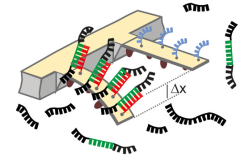
The teams of Prof. Christoph Gerber from the Swiss Nanoscience Institute of the University of Basel and Dr. Donata Rimoldi from the Ludwig Institute for Cancer Research in Lausanne have recently developed a novel diagnostic method that analyzes the ribonucleic acid (RNA) of cancer cells using nanomechanical sensors, i.e. microscopically small cantilevers. Thus, healthy cells can be distinguished from cancer cells. In contrast to other methods, the cantilever approach is so sensitive that neither DNA needs to be amplified nor labeled.
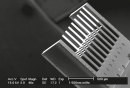
The method is based on binding of molecules to the top surface of a cantilever and the related change in surface stress. For this purpose the cantilevers are first coated with a layer of DNA molecules which can bind mutated RNA from cells. The binding process deflects the cantilever. The bending is measured using a laser beam. The molecular interaction must take place very close to the cantilever surface to produce a signal.
Detection of other types of cancer
In experiments the researchers could show that cells carrying this genetic mutation can be distinguished from others lacking the mutation. RNA of cells from a cell culture was tested in concentrations similar to those in tissue samples. Since the researchers could detect the mutation in RNA stemming from different cell lines, the method actually works independent of the origin of samples.
Dr. François Huber, first author of the publication, explains: "The technique can also be applied to other types of cancer that depend on mutations in individual genes, for example in gastrointestinal tumors and lung cancer. This shows the wide application potential in cancer diagnostics and personalized health care." Co-author Dr. Donata Rimoldi adds: "Only the interdisciplinary approach in medicine, biology and physics allows to apply novel nanotechnology methods in medicine for the benefit of patients."
The work was supported by the NanoTera project "Probe Array Technology for Life Science Applications" of the Swiss National Science Foundation, by the Swiss Nanoscience Institute, the Cleven foundation and the microfabrication division of IBM Research in Rüschlikon.
Original article:
François Huber, Hans Peter Lang, Natalija Backmann, Donata Rimoldi, Christoph Gerber
Direct detection of a BRAF mutation in total RNA from melanoma cells using cantilever arrays Nature Nanotechnology (2013); Published online 3 February 2013 | doi 10.1038/NNANO.2012.263
Gallery
Nanosensor: Eight cantilevers of 500 μm in length are applied for detection of the genetic mutation:
Schematic of the method: When the mutated RNA molecules (green) bind to DNA molecules (red), the cantilever will bend. The deflection is measured using a laser:
December 2012
Calls for 2011 and 2012 - Medicine and Energy come to the fore
Giovanni De Micheli, Program Leader of Nano-Tera, has been awarded the 2012 Mac Van Valkenburg Award for sustained contributions to theory, practice and experimentation on design methods and tools for integrated circuits, systems and networks.
The Mac Van Valkenburg Award is the highest honor given by the IEEE Circuit and Systems Society to one of its members. It honors an individual for outstanding technical contributions and distinguishable leadership in a field within the scope of CAS Society.
The Swiss Finals which were held on May 22 in parallel with the Swiss NanoConvention (see opposite), was won by Edwin Dornbierer from ETHZ and Andres Heldstab from NTB Buchs. With their project “Beat Tracker”, the team constructed a device that calculates the rhythm of one's movement using a 3D accelerometer and 3D gyroscope, then transmits this information to a smart phone which in turns plays a corresponding song with an appropriately matching rhythm.
A demonstration was conducted using walking, jogging and running movements, as well as using a stationery bike.
Nano-Tera.ch was prominently featured at the Swiss Nano Convention which was held on May 22-24 in Lausanne. It was present with a booth and praised by EPFL Vice-President for Academic Affairs Philippe Gillet during his introductory remarks.
The Swiss NanoConvention 2012 brought together Swiss and international leaders from science and industry in the field of «nano», key figures in innovation and technology, entrepreneurs, investors, administrators and politicians. Key topics included Nano for Energy, Life sciences, Computer sciences and Consumer products. Another focus was the potential risks associated with free nanoparticles, and how society sees and handles these issues.
The Virtual Conference is now online: catch up on any talks that you missed - almost all of the presentations are available in full as streaming video, as well as the slides and posters.
April 2012
The Nano-Tera APM 2012 Conference Poster List is now available
March 2012
The Nano-Tera APM 2012 conference schedule has been published, flyer available here.
CNN and many other news outlets have reported in detail on the BioCS-Node research project, which is being carried out by David Atienza of EPFL. Video is available here.
Registration is open for Swiss e-Print, 1-2 December 2011
Aimed at anyone interested in printing technologies, printed electronics, associated tools and functional materials/inks, this conference includes an impressive list of experts invited to give presentations on the status and trends in the field.
Registration is now open and participants are kindly invited to present their activities by submitting a poster, the deadline for abstracts submission is the 1st of November.
A newsletter has been published on the FSRM workshop on Innovative Sensors
September 2011
A new call for proposals for RTD projects has been announced! The call document is available here.
July 2011
Inscriptions are open for WIMEMS workshop in Neuchâtel, 12-13th September.
June 2011
iCAN 2011 was a huge success, not least for one of the EPFL teams sponsored by Nano-Tera, who finished in the category of 3rd Prize.
The team consisting of Yujia Zhai, David Bonzon and Christian Adamczyk with their project entitled "Sensing the world through iPhone/Smartphone" won third place and $1,000.
The Nano-Tera Plasmonics Summer School will take place on July 18th-22nd, 2011. More details are available here.
May 2011
Congratulations to our poster winners!
The poster sessions at the Nano-Tera Annual Meeting have been outstanding. The experts have also praised the high quality of the contributions and also the quantity: as many as 107 posters were presented.
The following authors will be awarded an overall prize of CHF 3000 to support conference subscriptions and related travelling costs:
1st place:
NutriChip
Hamideh Jafarpoorchekab, Qasem Ramadan, Paolo Silacci, Sandro Carrara, Guy Vergères, Jeremy Ramsden, Martin Gijs
The Nano-Tera brochure (3rd edition) is now available.
Joint call for proposals: NanoTera and the Sino Swiss Science and Technology Cooperation have made a call for pilot grants. Details in the related newsletter, application details here.
SPIMD: A one-day workshop to explore the new area of Security and Privacy in Implantable Medical Devices QCRYPT ED 2011: First Annual Conference on Quantum Cryptography E-Print: 1st Swiss E-Print workshop MicroCool: Summer School on Microscale Cooling of 3-D integrated systems MMB2011: The sixth international conference on Microtechnologies in Medicine and Biology
February 2011
The program for the Nano-Tera 2011 Annual Plenary Meeting is available and registration is now open.
Three new ED projects have been approved
The three most recently approved ED projects are:
SEE-NANO: Hands-on training in nanoelectronic device fabrication for students and industry professionals the field of nanotechnology ISMICT: The 5th International Symposium on Medical Information and Communication Technology 2011 (ISMICT 2011) EASY: Educational Workshops on Energy Efficient Autonomous Systems: a collaborative framework between Nanotera and Guardian Angels for a Smarter Planet
All ten RTD 2009 projects were presented at the Nano-Tera Annual Plenary Meeting this year. We have now made these presentations available as web videos individually and in a 45-minute full presentation.
Two new NTF and two new ED projects have been approved
The final two NTF projects have been approved:
micro-Comb: Chip-scale optical frequency combs for near and mid-infrared NeoSense: Novel integrated wearable sensors for multi-parameter monitoring in critically ill newborns
The two most recently approved ED projects are:
WIMEMS-School: Micro- and Nano-systems based technology for wireless applications in environment, health and security domains B-AWaRE: Body Area Wireless sensoR nEtwork Summer Schoolprojects
To improve on the state-of-the art woven etextiles by fabricating thin-film temperature sensors and pressure sensors on plastic substrates, separating devices by cutting device-strips that have sub-mm widths, and weaving a true e-textile using a commercial weaving machine.
The development of transducer networks for large-scale structures that have sufficient sensitivity to defects or damage and allow for localization of relevant damage sites, electronic modules for signal pre-processing, storage and wire-less transmission to a central data acquisition unit.
To establish the core physical modelling and derive basic compact DC models, calibrated and validated on nanowire tunnel FETs, in order to enable the emergence of future hybrid Tunnel FET - CMOS IC design.
Providing Body Area Sensor Networks with strong cryptographic primitives and with robustness against physical attacks, and evaluating the effect of such design decisions on the communication protocol.
A pervasive healthcare infrastructure to collect, monitor and alert gestational diabetes mellitus patients and inform their caretakers with historical values. To set up this infrastructure, we plan a pervasive and ubiquitous multi agent system deployed pervasively in the environment and accessible to users by means of smart phone devices.
The demonstration that the fluidFM, our recent shared invention with the CSEM Neuchatel, can be successfully used i) for local functionalization of silicon nanowires with target molecules, and ii) for nano wire-bonding, i.e. for the local fabrication of interconnecting metallic nanowires.
Low-complexity but powerful multi-lead cardiac and neurological bioelectrical compression techniques and their supporting ultra-low-power sensor digital processing platform
Congratulations to all Principle and Co-investigators!
Three new PhD posts and two Post-Doc positions are now available.
December 2009
Nano-Tera.ch and involved partners will invest around 45.6MCH in the coming next 3 years for the 9 newly selected Research Technology and Development (RTD). These large projects, with budgets oscillating between 4 to 7 million each, have been evaluated scientifically by the Swiss National Science Foundation and will officially start on March 1st 2010. Participating academic institutions involved are ALP, CSEM, CHUV, EMPA, EPFL, ETHZ, HES-SO, PSI, UniBS, UniGE UniL, and USI.
A common striking characteristic of these selected projects is that they all address scientific challenges aiming at societal and well being improvements in:
- Health from new chip challenges simulating the gastro-intestinal-track for better food with NutriChip, new probing technique in life science such as for early cancer detection with PATLiSci, intelligent integrated systems for personalized medicine with ISyPeM to implantable systems for on-line metabolic monitoring with i-IRONIC.
- Security issues in communication by addressing leading quantum key distribution developments for higher speed with QCrypt
- Environment to support worldwide leadership of Swiss scientist and engineers in combating pollution, global warming and energy crisis with three most strategic projects: from air quality monitoring working on real time awareness and giving a pro-active role to the citizens with OpenSense, distributed hydrogen solar energy and correlated system management for efficient individual green power production with GreenPower to global warming related challenges with alpine mass movement monitoring at multiple scale with X-Sense.
This unique set of projects all individually challenge the Nano-Tera.ch vision of the whole program to bring nano- and micro-technology experts together with those from systems, software and ICT (Information and Communication Technologies). One additional project from a different type was selected for its scientific quality and unique horizontal strategic relevance to all players at platform circuit level underlying heterogeneous Nano and Tera systems: PlaCiTUS.
Beyond their scientific excellence, these selected RTDs are fine tuning the practical strategic vision of the whole Nano-Tera.ch program, which is an opportunity to draw your attention to the release of the new call on NTF (Nano-Tera.ch Focused projects) and EDs (Educations and Dissemination) activities: Call for Proposals.
The list of the selected projects and involved (PI) Principal investigators and Co-investigators (Co-PI) is provided below.
Nicolas GISIN (PI), Norbert FELBER, Etienne MESSERLY, Gregory RIBORDY
The calls are open for proposals for NTF and ED projects - details are available here.
October 2009
Nano-Tera.ch and the FSRM are glad to invite all the community to our first workshop on
Biosensors • Body Area Networks
which will be held on November 23-24 at le Louverain, in Les Geneveys-sur-Coffrane (near Neuchâtel). This first is free of charge for all participants - unless a single room is required - and we encourage everyone to participate and meet other researchers in a casual atmosphere. The details of the program will be continuously updated here.
June 2009
The latest Nano-Tera newsletter has been published. Please feel free to download it in:
Please note that the deadline cited in the call on May 31st falls on a holiday. Hence the effective validity of this deadline is the next official working day, that is: June 2nd 2009 23h59.
We warmly recommend you to make sure you have your mySNF login before this last week-end before the deadline.
Also, please note that a correction has been made in the detailed budget form under the calculated total for:
1.5. Total Nano-Tera.CH Funds
and
2.5. Total Own Contributions
The required correction is for the total that needs in both cases to take into account the line for "Personnel" (line_148 and line_177 respectively).
Congratulations to the ten research teams who have been accorded RTD projects.
Details of the subjects being researched are available here.
The geographical distribution of the Principle Investigators and their team members can be seen on the geographical scope page.
October 2008
The SNSF has appointed a panel of reviewers for the RTD program, which has now performed a review of the proposals. The Executive Committee has communicated to the SNSF an opinion on the strategic relevance of the individual proposals.
Based on the scientific evaluation by the SNF and the input of the Executive Committee, the SNSF has sent invitations to 27 Principal Investigators of RTD proposals to present their project in front of the panel. These presentations will be 10 minutes long, followed by a 10 minute question and answer session.
September 2008
Two NTF and two ED research projects have been officially approved. See details here.
RTD-Project application forms are now also available on the www.mySNF.ch portal.
Applications for RTD projects at Nano-Tera.CH will have to be made at: www.mySNF.ch and admin@nano-tera.ch
The release of the documents for applying to the Nano-Tera.CH program on www.mySNF.ch will be made on April 16th 2008. The deadline is May 1st 2008. The working document you have been provided under www.Nano-Tera.CH will be made accessible there as well for the requested electronic application through the mySNF portal.
Please pay attention to the following:
You need to proceed with your mySNF portal registration first
The registered person has to be the Principal Investigator (PI) of the application
If the PI already is alraedy registered, he has to use his existing resistration access
The Nano-Tera.CH access is under "Abteilung II".
March 2008
Working application documents for research proposals are now available for download here.
Professor De Micheli in an interview with La télé des ingenieur-e-s, explaining the goals of Nano-Tera. The following video is only available in French:
scope of the event: provide scientific and procedural information
In its Message on Education, Research and Innovation for 2008-2011, the Federal Council has proposed to provide funds to the nano-tera.ch initiative. Based on the positive decision by the Swiss Parliament, nano-tera.ch will support, starting in 2008, a range of research and educational projects.
Nano-tera.ch is centered on the research, development and application of micro, nano and information technologies to embedded systems, networks and software to support health, security and environmental monitoring. The broad objectives of the program are both to improve quality of life and security of people across different levels of education, wealth and age and to create innovative products, technologies and manufacturing methods, thus resulting in job and revenue creation.
program
2.00 pm 5.00 pm
Public presentation of the nano-tera.ch program with questions and answers






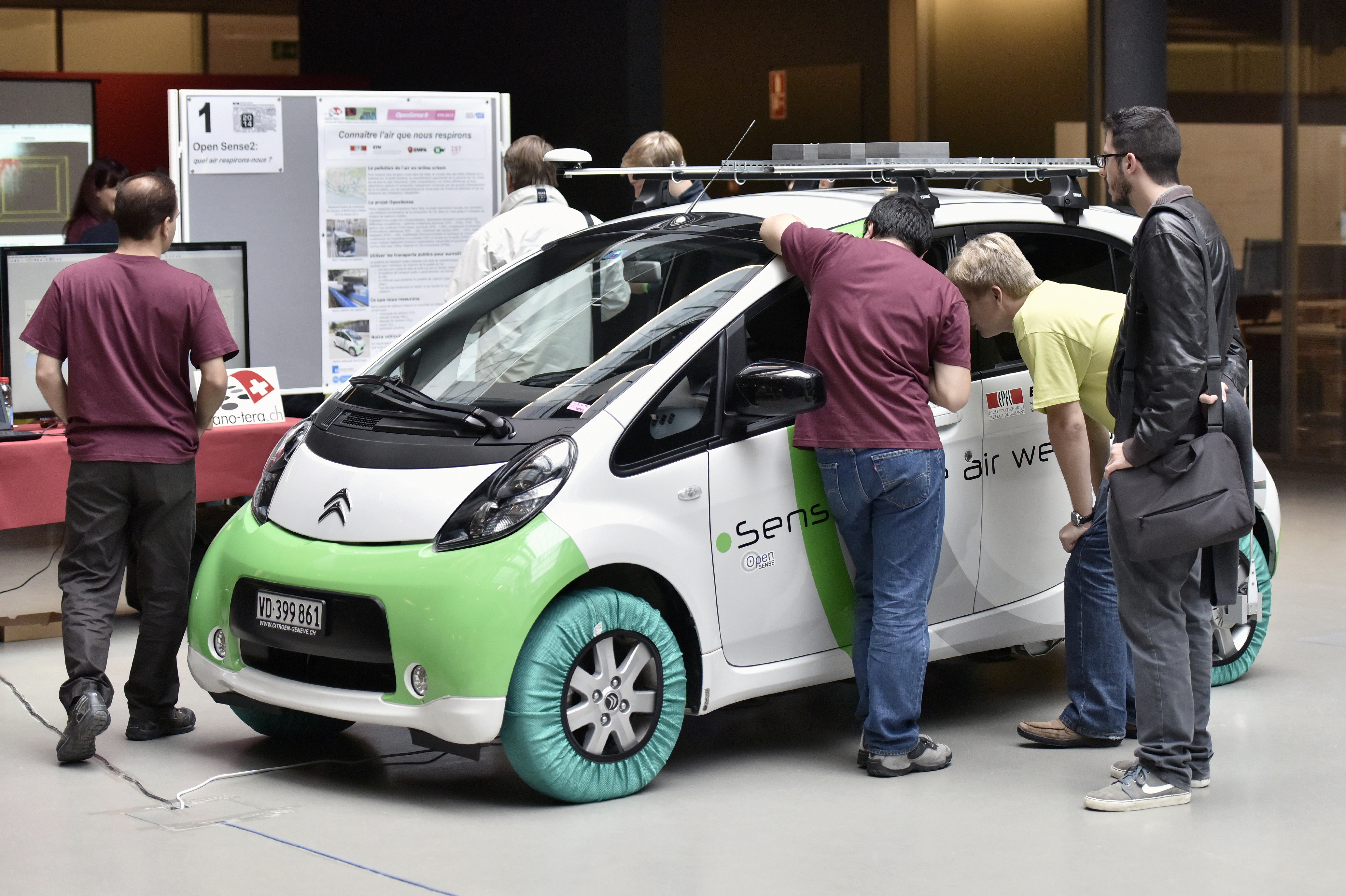
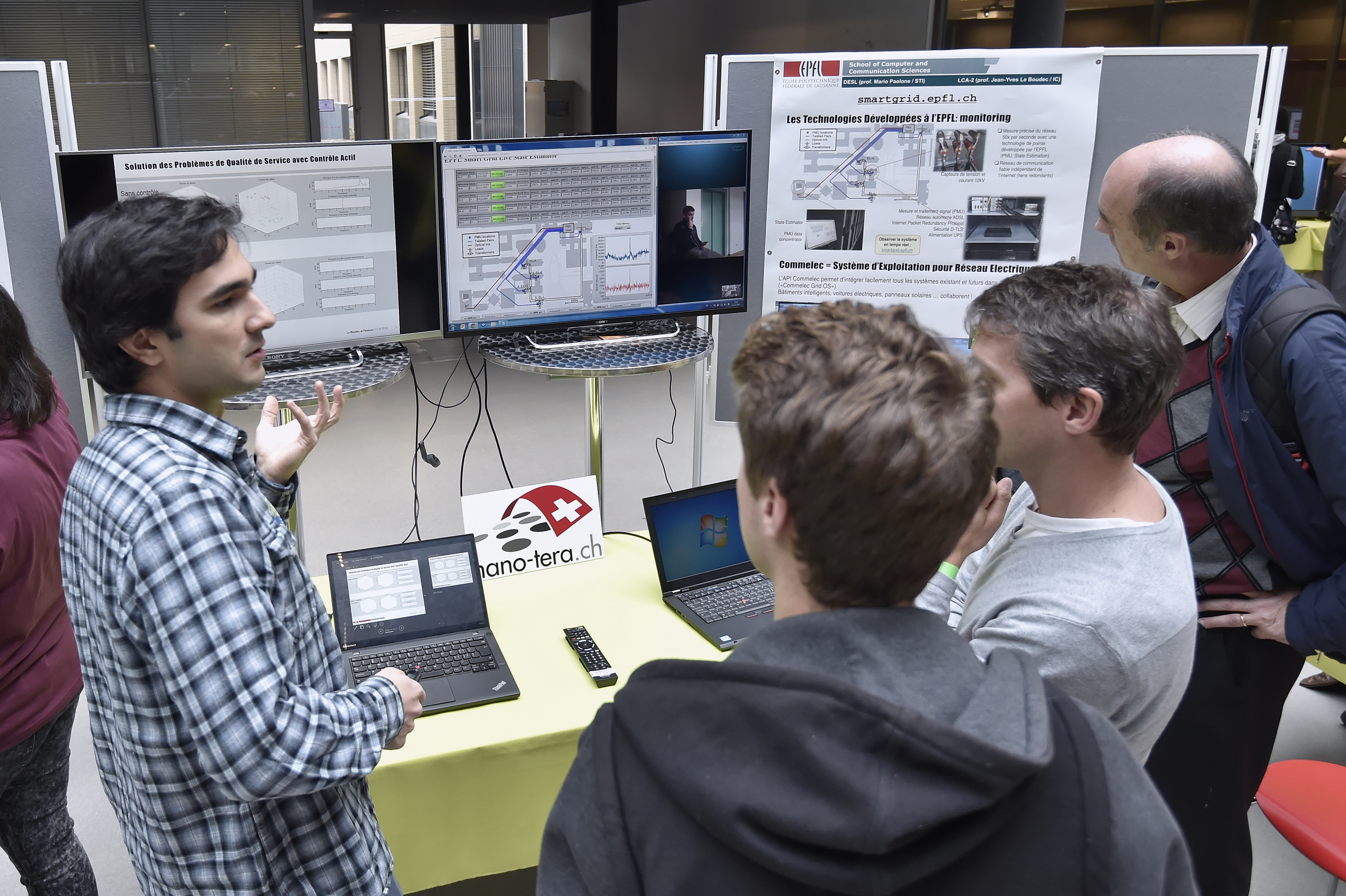
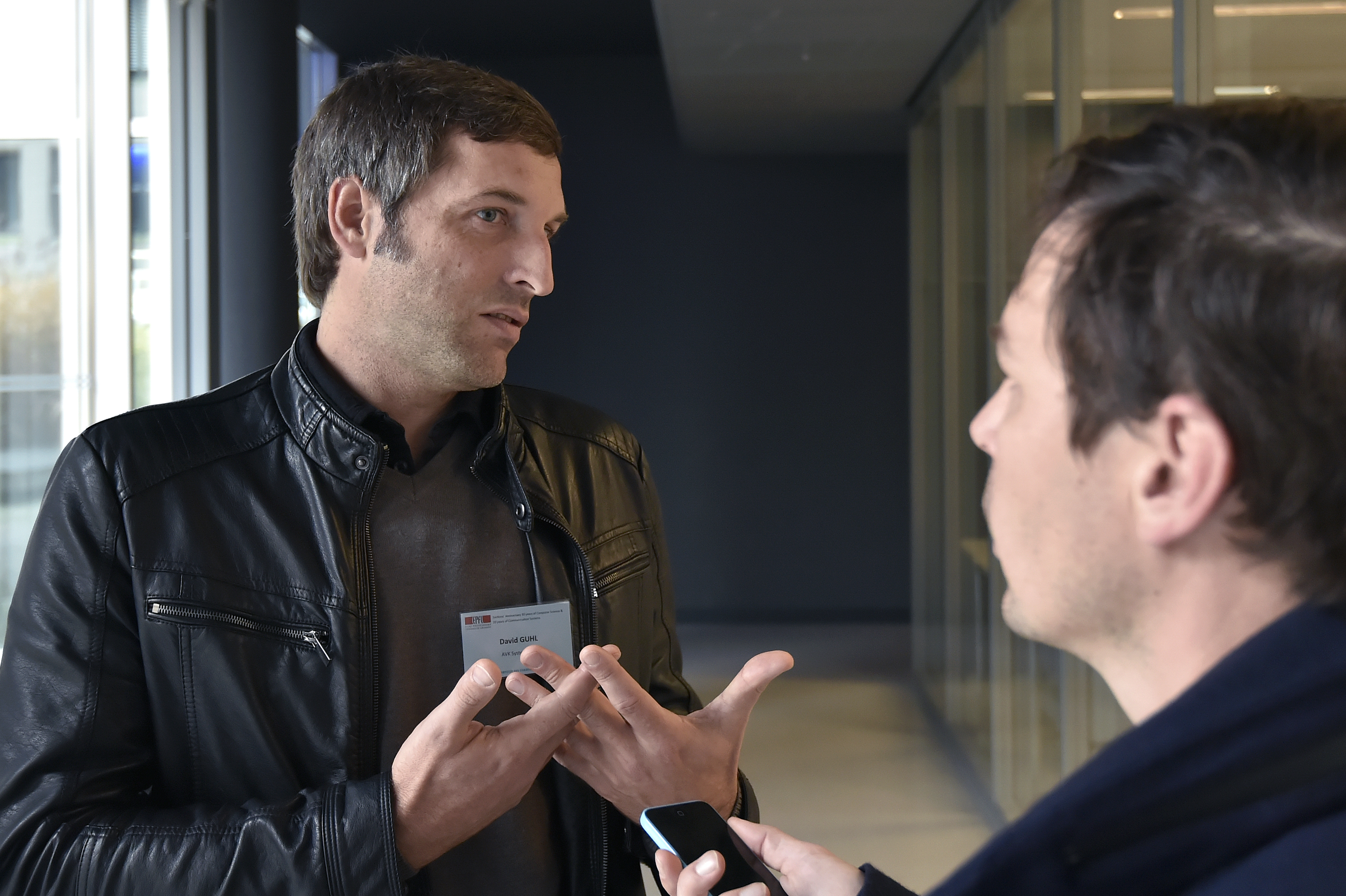 David Guhl: Startup Engineer
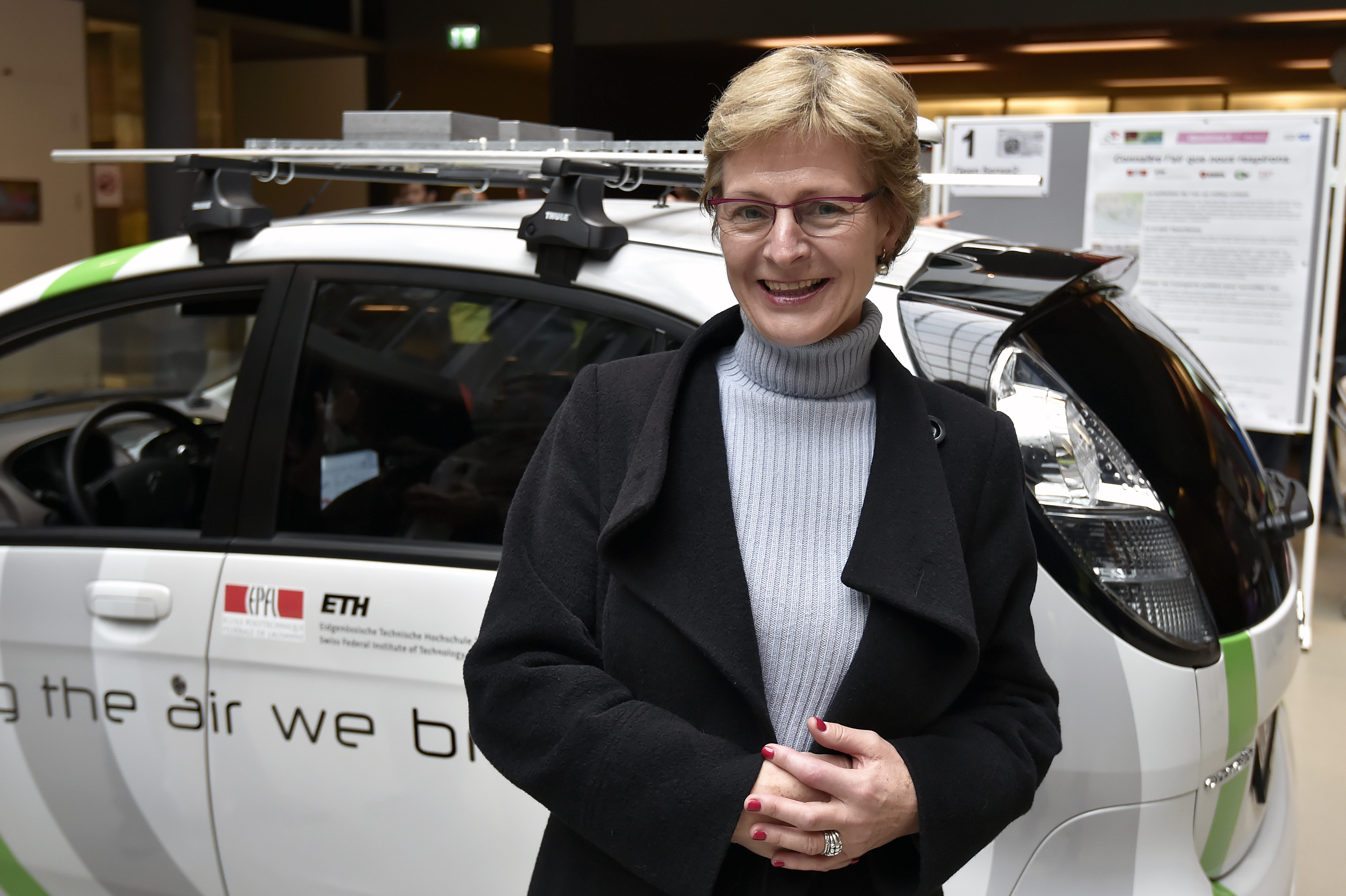 Claudia Richter: Communications at International Federation of Red Cross and Red Crescent
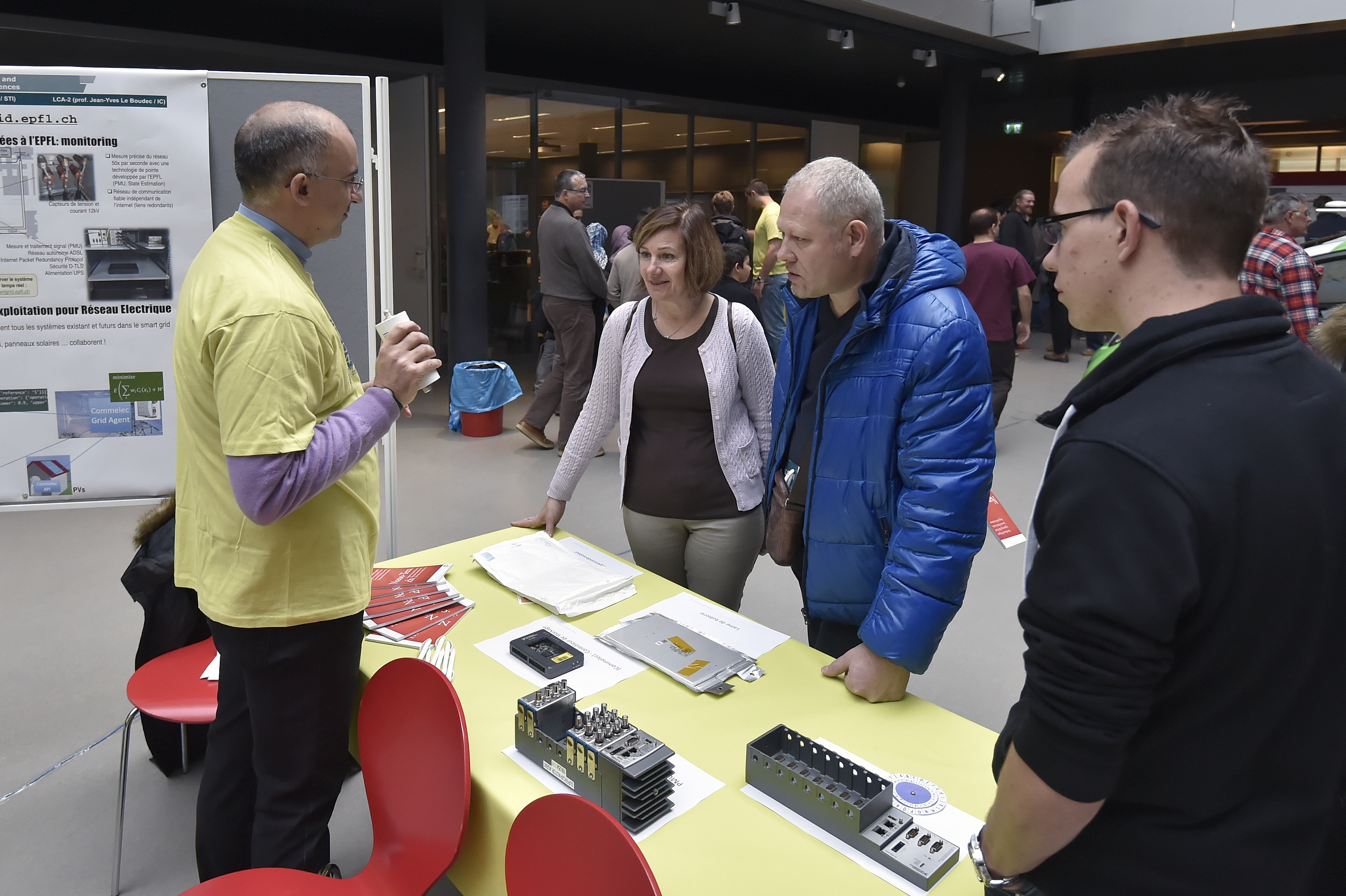 Patricia Rohler and Emmanuel Reuter: Interested public
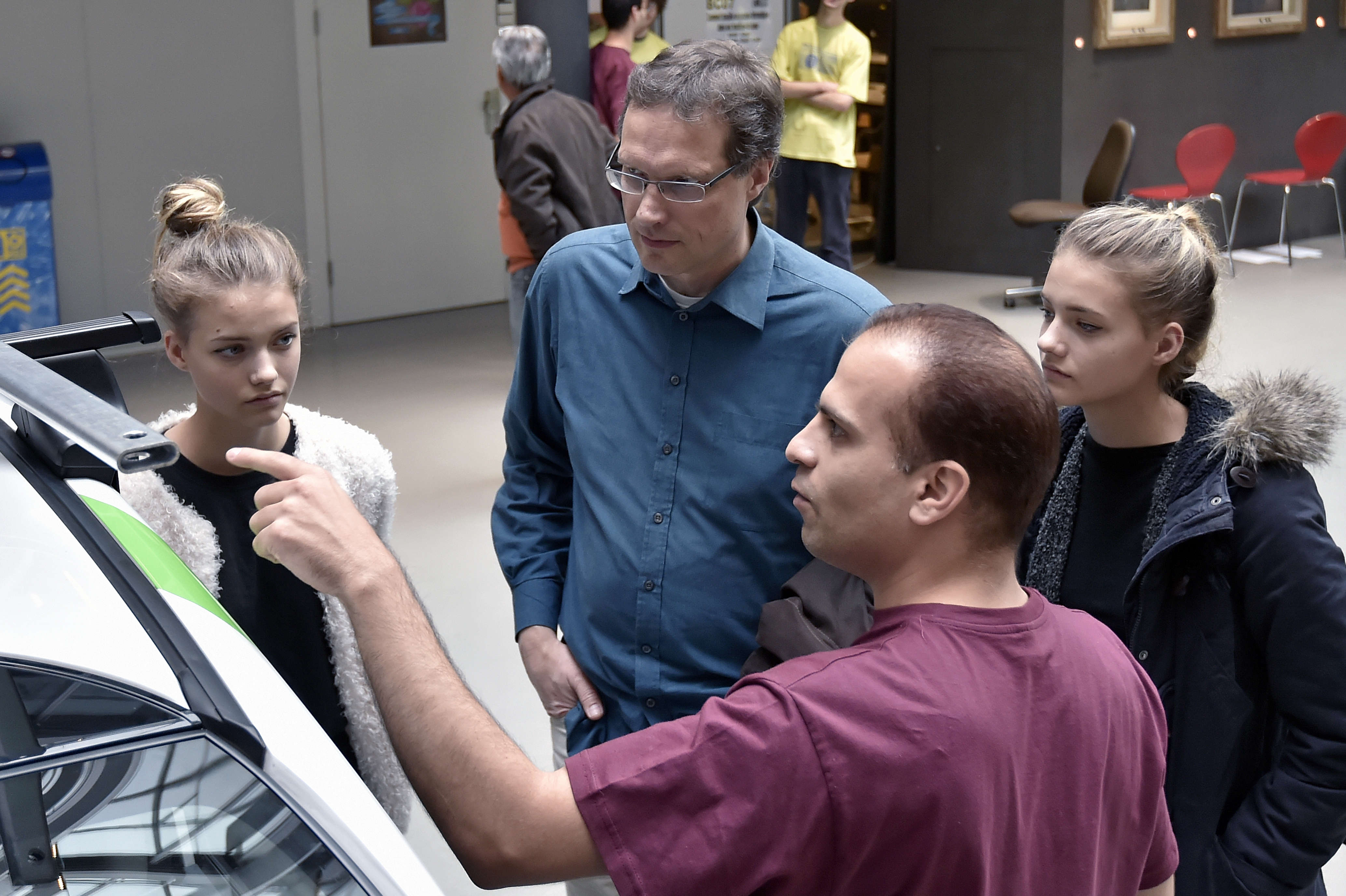 Robert Vankommer with his twin daughters, Margot and Tess
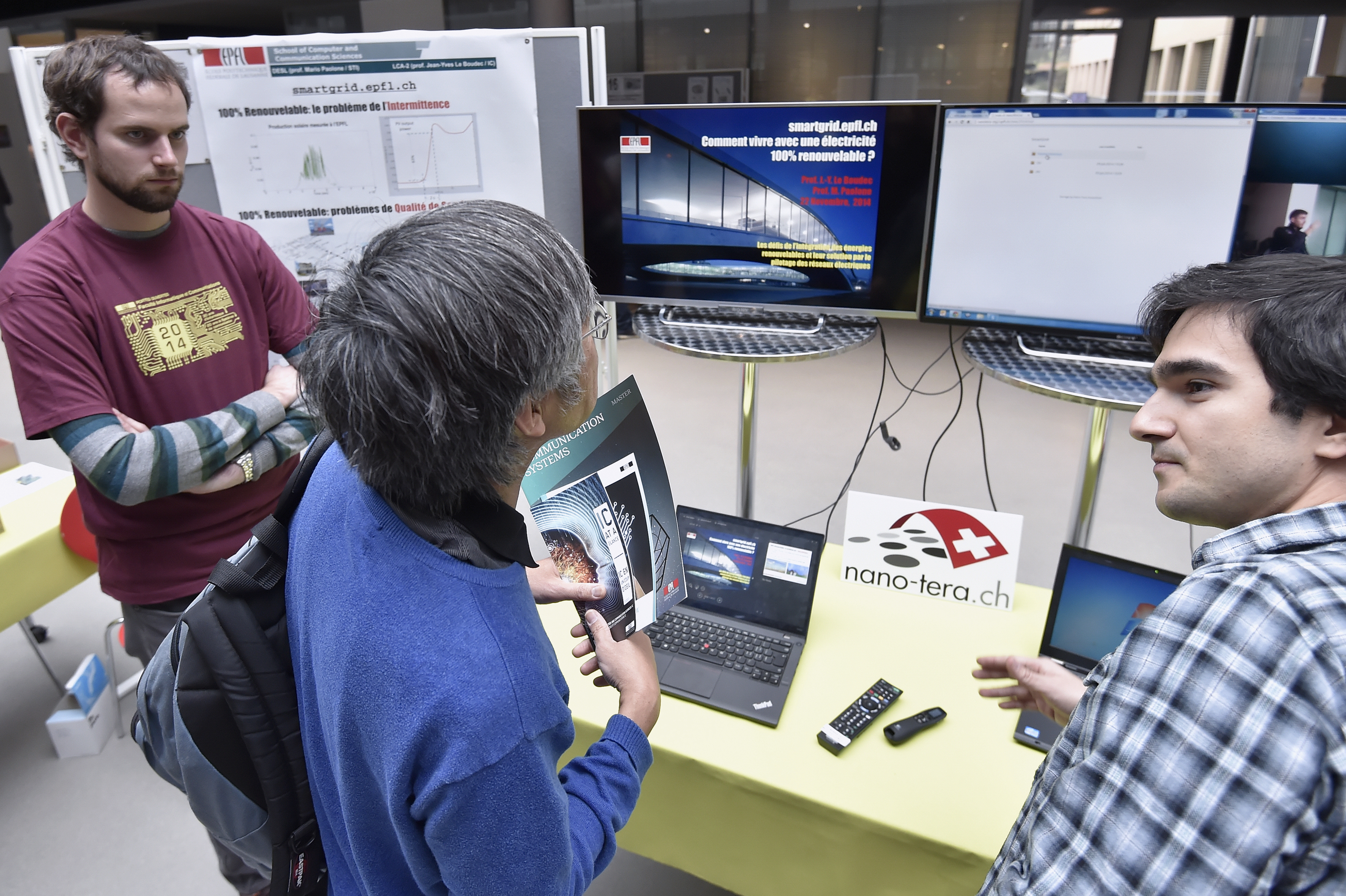 Dacfey Dzung: Engineer in the energy sector
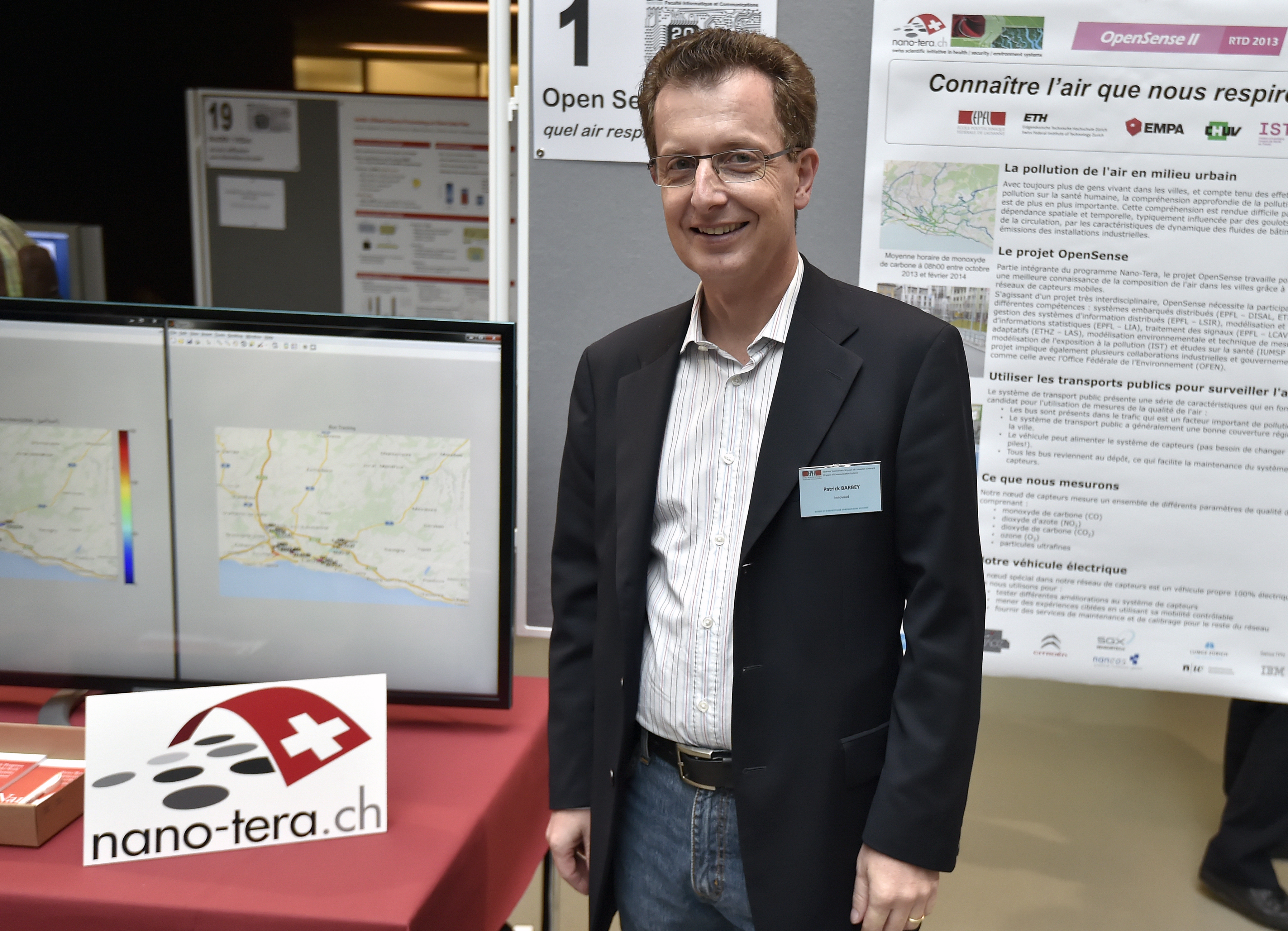 Patrick Barbey: Director of Innovaud
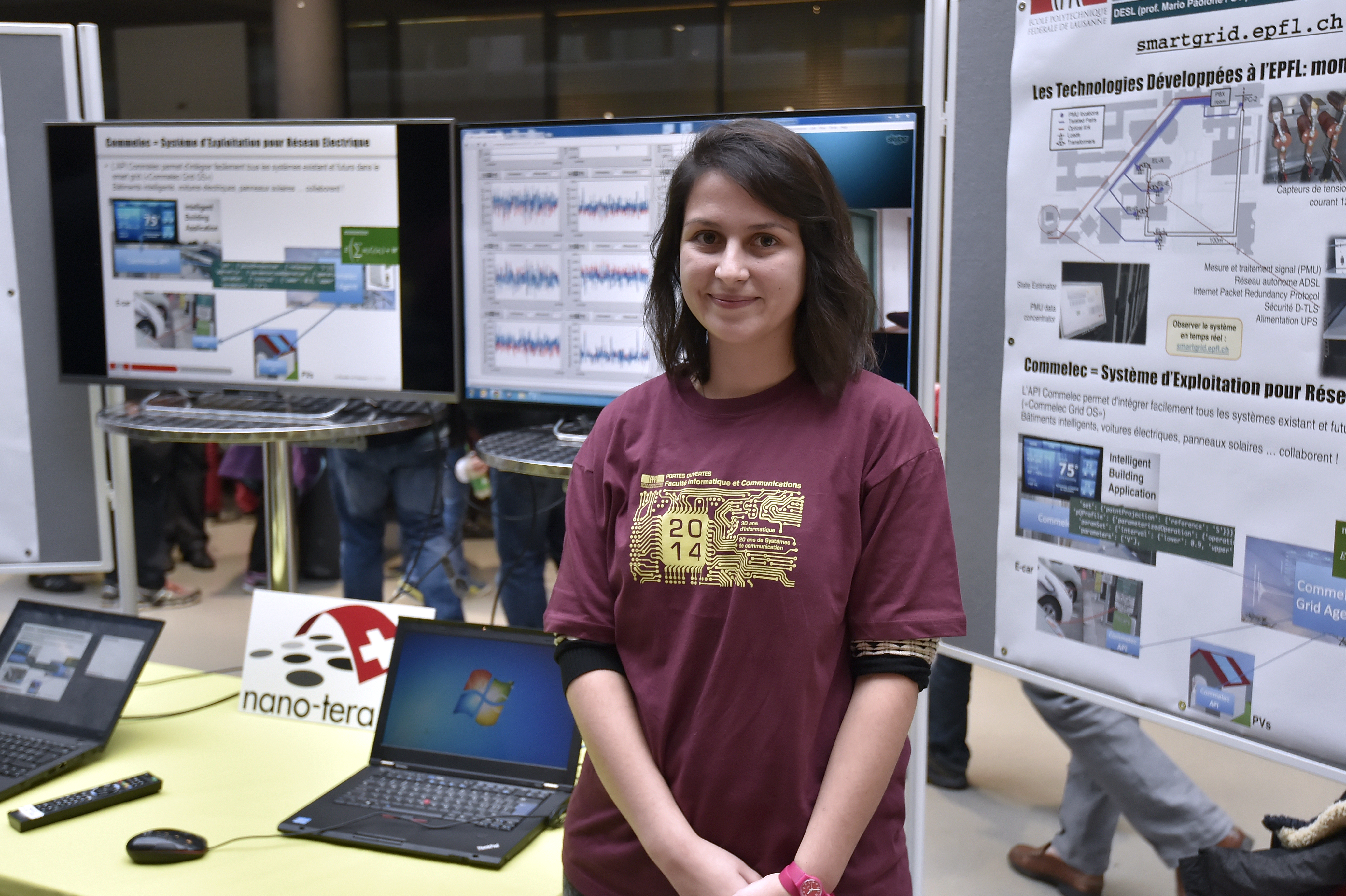 Zhivka Gucevska: EPFL Masters Student in Computer Science, presenting the SmartGrid Project
 The symposium featured presentations in technology applications, ranging from A. Chandrakasan (MIT) who addressed miniaturized circuit design, to T. Sakurai (U. Tokyo) who described flexible electronic circuits to achieve electronic skin, and K. Shepard (Columbia niversity) who demonstrated electrical circuits applicable to sensors and DNA sequencers. S. Furber (U. Manchester) explained progress in neuromorphic energy sustainable high-performance computing with the Spinnaker chip, while G. Fettweis (U. Dresden) showed how 5G communication technology will improve our living standards, from automatic driving to the connected smart city.


 Congratulations to the SelfSys team who has obtained results published on the cover of Nanoscale! The EPFL-ETHZ collaboration
  Prof. Di Ventra's research interests are in the theory of electronic and transport properties of nanoscale systems, non-equilibrium statistical mechanics, DNA sequencing/polymer dynamics in nanopores, and memory effects in nanostructures for applications in unconventional computing and biophysics. He serves on the editorial board of several scientific journals and has won numerous awards and honors, including the NSF Early CAREER Award, the Ralph E. Powe Junior Faculty Enhancement Award, fellowship in the Institute of Physics and the American Physical Society. He has published more than 140 papers in refereed journals (13 of these are listed as ISI Essential Science Indicators highly-cited papers of the period 2003-2013), co-edited the textbook Introduction to Nanoscale Science and Technology (Springer, 2004) for undergraduate students, and he is single author of the graduate-level textbook Electrical Transport in Nanoscale Systems (Cambridge University Press, 2008).
 Among the program highlights, Prof. Massimiliano Di Ventra of the University of California San Diego, presented a novel computing paradigm named memcomputing inspired by the operation of our own brain.
 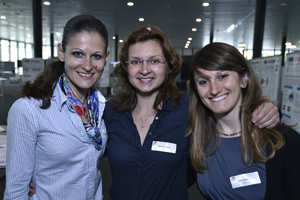 Best poster awards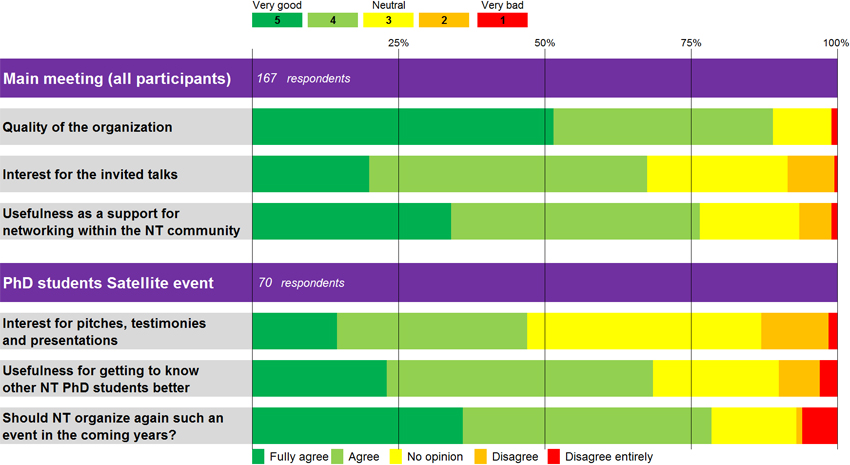
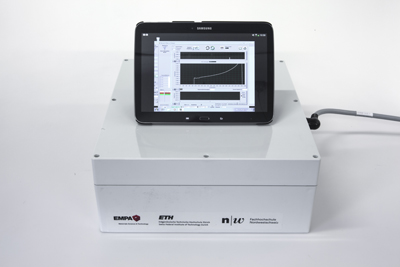
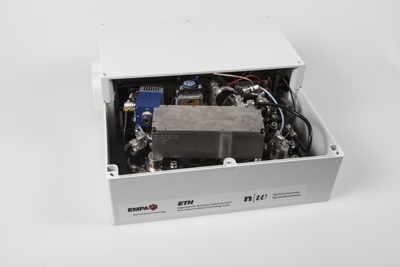

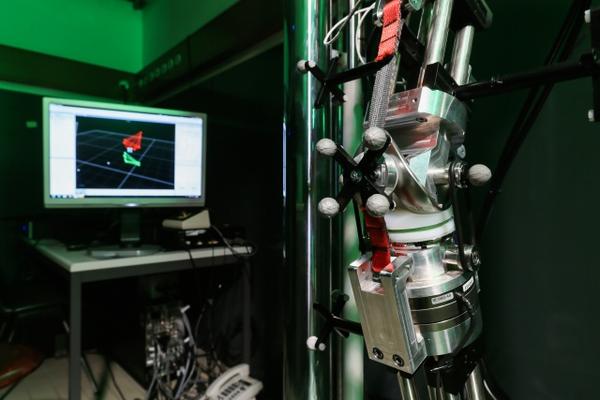 Five EPFL laboratories have joined in a project funded by Nano-Tera. To help the industry integrate new tools into smart prostheses, the scientists decided to put these sensors in the middle part, which is the polyethylene insert. This material is common to all knee prostheses, regardless of manufacturer.